Improve Page Speed SEO & Rankings | SeekLab.io
Expert reviewed

Core Web Vitals and SEO: What matters (and what does not)
Core Web Vitals are Google's standardized user-experience metrics for loading, interactivity, and visual stability: LCP, INP, and CLS. Google confirms they are used in ranking systems as part of the broader page experience signal, but they remain a supporting factor behind relevance, quality, and authority. In other words, strong content can still win with mediocre scores, and perfect scores will not rescue thin pages. See Google's documentation on Core Web Vitals in Search and page experience.
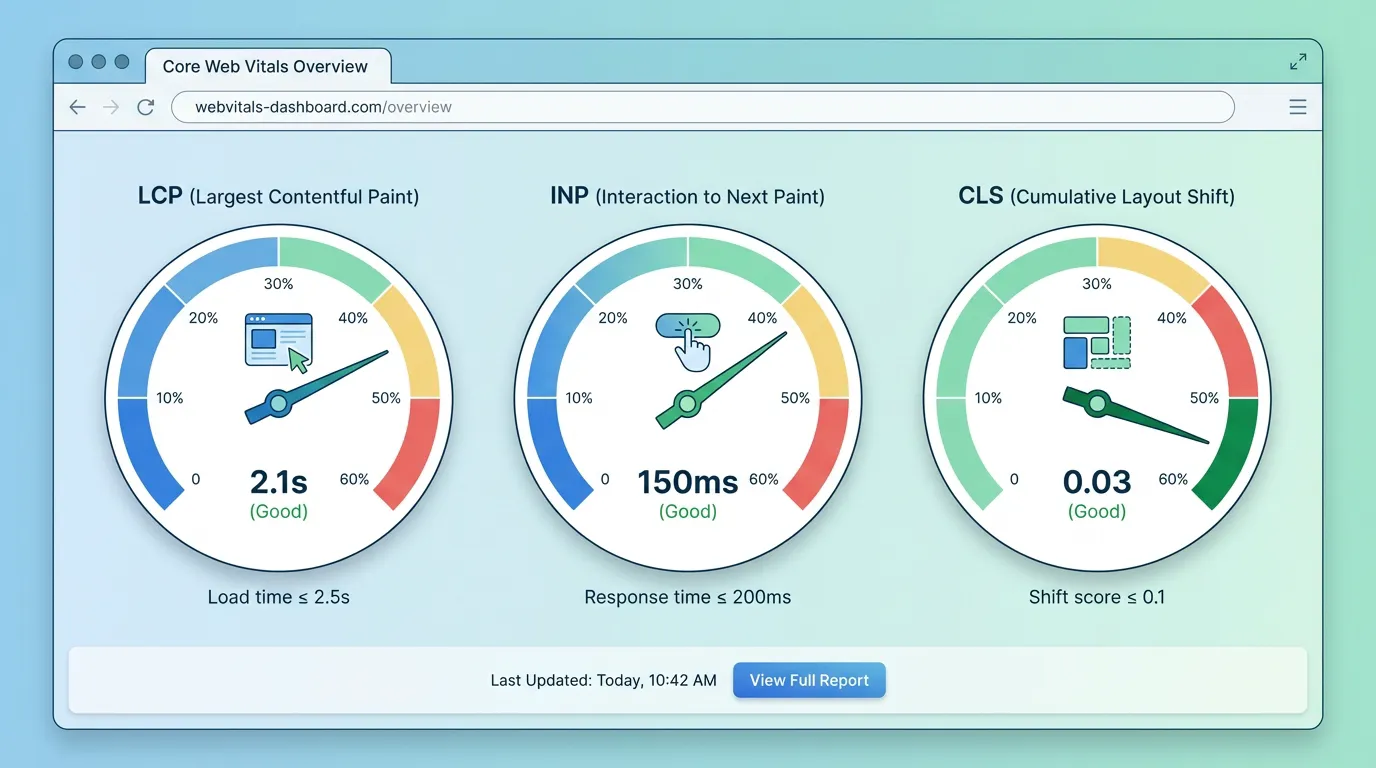
The "good" thresholds you should optimize toward
Google evaluates passing at the 75th percentile of real visits (field data). Thresholds are defined on web.dev's reference page: Core Web Vitals thresholds.
| Metric | What it represents | Good | Needs improvement | Poor |
|---|---|---|---|---|
| LCP | How fast the main content appears | <= 2.5s | 2.5s to 4s | > 4s |
| INP | How quickly the page responds to user actions | <= 200ms | 200ms to 500ms | > 500ms |
| CLS | How much the layout unexpectedly shifts | <= 0.1 | 0.1 to 0.25 | > 0.25 |
Page speed SEO: Why it impacts rankings and revenue
"Page speed SEO" is not about chasing a 100 Lighthouse score. It is about reducing friction so users can read, click, fill forms, and convert without waiting or fighting layout jumps. Multiple studies show meaningful conversion loss as load time increases.
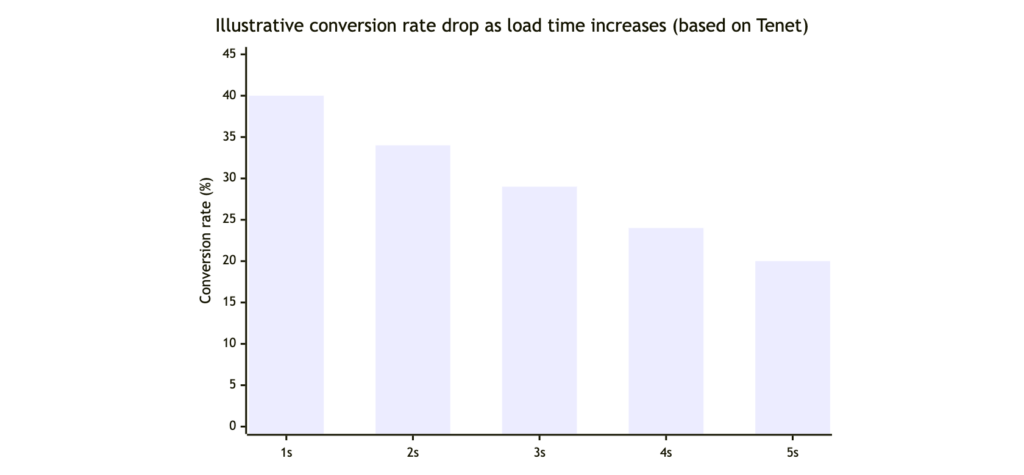
From an SEO standpoint, better performance can help in close ranking competitions (a tiebreaker effect). From a business standpoint, it often improves bounce rate, engagement, and lead completion, especially on mobile and high-intent landing pages.

How to measure LCP, INP, and CLS the way Google uses them
Start with field data, not only lab tests. Google's Core Web Vitals reporting emphasizes real-world user data and the 75th percentile approach. Practical references:
- Search Console Core Web Vitals report help: Core Web Vitals report
- Web.dev learning hub: Learn Core Web Vitals
A simple measurement workflow for teams:
- Identify your key templates: homepage, top organic landing pages, category/product pages, RFQ/contact pages, and any paid landing pages.
- In Search Console, look for template-level patterns (many URLs failing for the same reason).
- Use PageSpeed Insights and Chrome DevTools to validate causes on representative pages.
- Track improvements against business KPIs (leads, form completion, add-to-cart), not just scores.
Fix LCP (loading): the fastest wins for most sites
LCP usually improves when you make the "main thing" appear sooner, especially on mobile.
High-impact actions that commonly move LCP:
- Reduce server delay: CDN, caching, compression, and region-appropriate delivery for users in the US, Europe, and APAC.
- Prioritize above-the-fold rendering: inline critical CSS, defer non-essential scripts until after primary content is visible.
- Optimize hero media: serve properly sized images, use modern formats (WebP or AVIF where suitable), and avoid heavy background videos on initial load.
What not to do: spend weeks shaving 100ms from already-good pages while high-intent pages still load in 4 to 6 seconds. Get to "good" first.
Fix INP and CLS (interactivity and stability): where conversions often leak
INP replaced FID as a Core Web Vital in 2024, which shifts the focus from "first interaction only" to overall responsiveness across user interactions. Web.dev's explanation is a solid baseline: Interaction to Next Paint (INP). Google's own discussion also warns against obsessing over scores at the expense of user tasks: Search Off the Record INP transcript.
Practical INP improvements:
- Break up long JavaScript tasks that block the main thread.
- Defer non-critical third-party scripts (chat widgets, heavy tag stacks) until after key interactions.
- Ensure forms and filters provide immediate visual feedback on click or input.
Practical CLS improvements:
- Always reserve space for images, embeds, and banners (explicit dimensions or aspect ratio).
- Avoid inserting promo bars above content after load; overlay or reserve space from the start.
- Be careful with late-loading fonts and UI elements that push content.

A prioritization checklist (especially for international and B2B sites)
SeekLab.io's approach is to identify what truly impacts growth and deprioritize the rest. Use this decision checklist:
- Must-fix now:
- LCP > 4s or INP > 500ms on your top lead or revenue templates
- CLS > 0.25 on pages with critical CTAs or long forms
- The same issue affecting many URLs (template-level bottleneck)
- Fix next:
- "Needs improvement" pages that also show weak conversion or high bounce
- International latency issues where buyers in different regions experience dramatically different performance
- Deprioritize:
- Minor tweaks on pages already in the "good" range with no KPI impact
If you want to turn this into an execution plan (not just a list of metrics), SeekLab.io can run a structured SEO audit that connects Core Web Vitals findings to indexing, rendering, internal linking, content structure, and lead generation outcomes.
If you are ready to improve core web vitals seo and page speed SEO without wasting budget on low-impact tweaks, get a free audit report: contact us and leave your website domain so we can prioritize the fixes that will most likely move rankings and conversions.