Mastering Topical Authority: How to Plan Your SEO Content Strategy and Content Calendar
Expert reviewed

For many teams, the real challenge is not "doing SEO", but choosing what to do first so that it actually drives leads, not just traffic. A clear SEO content strategy built around topical authority, topic clusters, and a realistic content calendar is what turns random blogging into predictable growth.
This tutorial walks through how to plan that strategy step by step and where SeekLab.io fits into each stage so you avoid months of work on the wrong content.
Why Topical Authority Should Drive Your SEO Content Strategy
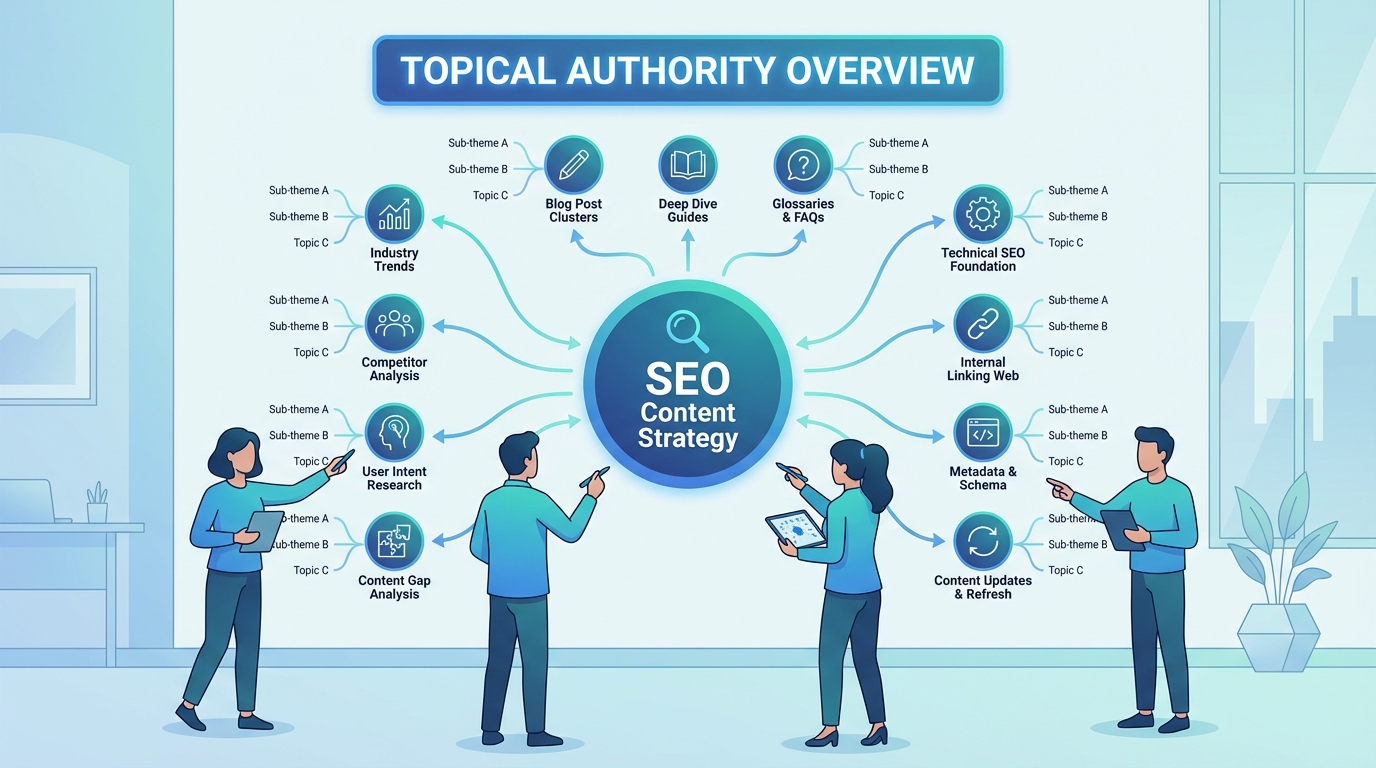
Topical authority is your ability to show search engines and users that you deeply understand a subject, not just a few keywords. Instead of publishing scattered articles, you deliberately cover a theme from multiple angles and connect those pieces through internal links and structured data.
For marketing and operations managers, this approach solves several common problems:
- You stop guessing which articles to write and focus on topics tied to real inquiries and deals.
- You replace shallow, AI-like posts with content that reflects real technical and business scenarios in your industry.
- You align content with technical SEO so that strong articles are actually discoverable, indexable, and fast.
A modern SEO content strategy should:
- Start from business and audience goals, not keywords alone.
- Identify a small number of core topics where you want topical authority.
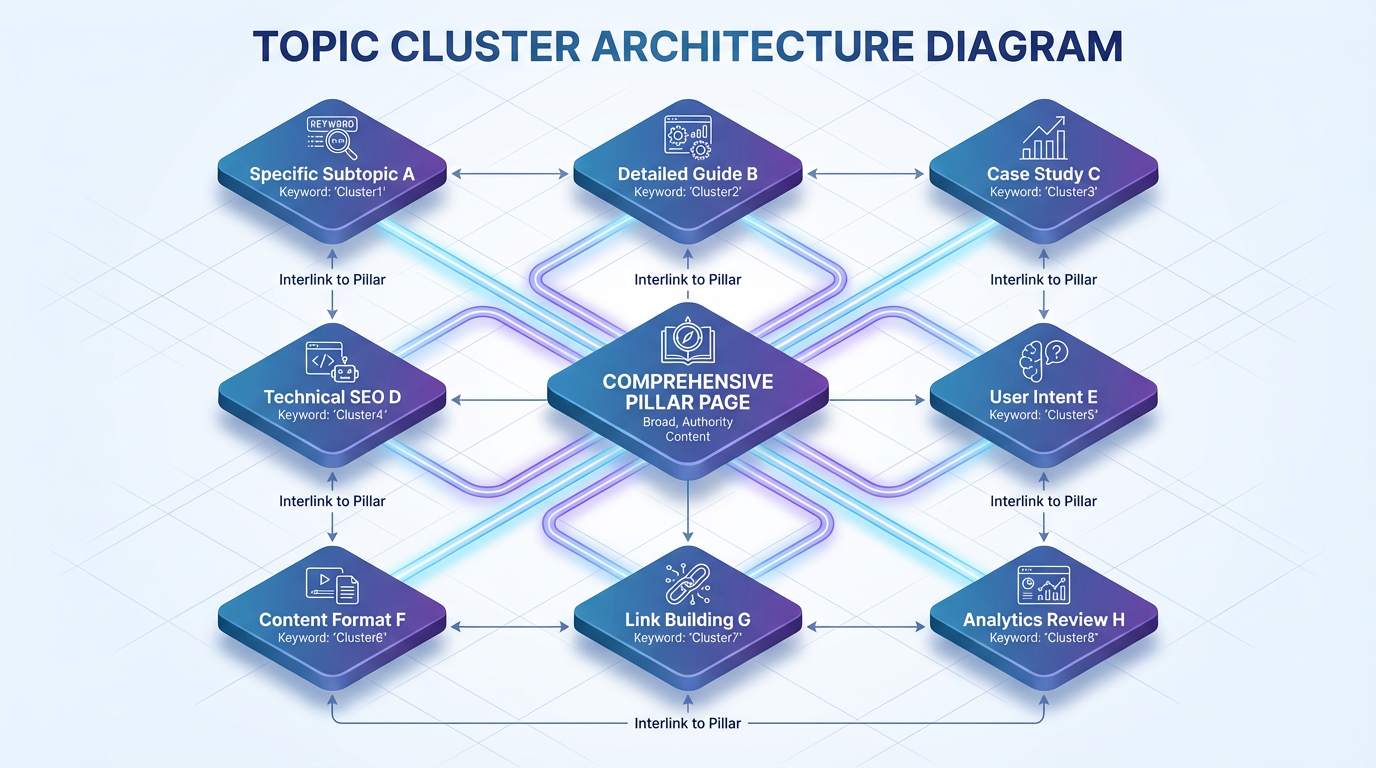
- Organize those topics into coherent topic clusters led by at least one comprehensive pillar page per cluster.
- Plan execution through a content calendar that also includes refreshes, internal linking, and technical milestones.
At SeekLab.io, this strategy is always grounded in diagnostics first. Before proposing content, we evaluate your crawlability, Core Web Vitals, schema, internal link equity, and international structure so you are not building authority on a fragile foundation.
Step 1: Audit Your Technical Foundations and Existing Content
Before planning new content, you need to confirm that search engines can reliably discover, render, and interpret your site. Otherwise, even the best-planned topic clusters will underperform.
Run a combined technical and content audit
A useful audit should include:
- Full-site crawl and indexability
- Are important sections blocked by robots.txt or noindex?
- Do sitemap.xml files list the pages you want to rank?
- Are canonical tags correctly configured?
- Core Web Vitals and performance
- Are large hero images slowing down pillar pages?
- Do JavaScript bundles delay interaction on content-heavy templates?
- JavaScript and rendering checks
- Can search engines see the same content users see?
- Are key headings, text, and links rendered server-side or at least in a crawler-friendly way?
- Internal link equity and semantic structure
- Are your most important pages buried several clicks deep?
- Do related articles link to each other in a way that reflects topic relationships?
- Content inventory
- Which pages get impressions but no clicks?
- Where do you have thin, duplicate, or outdated content that confuses search intent?
SeekLab.io's audits categorize findings into:
- Must-fix issues before heavy content investment.
- Issues that can be improved in parallel as content is produced.
- Low-priority items that can be safely deprioritized.
This ensures your SEO content strategy is realistic and grounded in what truly impacts growth.
Connect technical health to business goals
A simple way to align is to map goals, technical risks, and content opportunities in a single view:
| Business goal | Technical risk blocking it | Content opportunity |
|---|---|---|
| More US B2B leads | Slow Core Web Vitals on key product and blog pages | US-focused SEO content strategy pillar and guides |
| More inquiries from exporters in APAC | Weak hreflang and confusing regional URL structure | Exporter and international SEO topic clusters |
| Better conversion from existing traffic | Poor internal links between education and offer pages | Pillar page plus bottom-funnel cluster content |
Step 2: Design Topic Clusters and Your Main Pillar Page
Once you know your constraints, you can design a content architecture that builds topical authority instead of isolated posts.
Identify core topics and group them into clusters
Start from a short list of topics that directly support your services and markets. For example:
- SEO content strategy
- Technical SEO audit
- B2B SEO and SEO for exporters
- Ecommerce SEO and international SEO
- Entity SEO and schema markup SEO
For each, perform keyword and SERP research to understand:
- Search intent (informational, commercial investigation, transactional).
- User journey stage (awareness, consideration, decision).
- Regional and language nuances.
Then group related queries into topic clusters. Each cluster should be:
- Built around a central concept.
- Large enough to justify a dedicated pillar page.
- Specific enough that a visitor clearly understands what they will find there.
Example cluster around SEO content strategy:
| Cluster element | Example focus |
|---|---|
| Core pillar page | End-to-end SEO content strategy and topical authority |
| Supporting definitions | What SEO content strategy is, why it matters |
| Practice guides | Search intent mapping, content briefs, internal links |
| Execution pieces | How to build a content calendar, refresh playbooks |
| Technical integration | Technical SEO for content teams, schema, Core Web Vitals |
Plan your first pillar page
Your main pillar page is the hub of the cluster and should:
- Give a high-level overview of the topic.
- Link out to each cluster article with descriptive anchor text.
- Include tables, visuals, and examples.
- Be designed to convert: clear CTAs, forms, and next steps.
For a pillar around SEO content strategy, core sections might include:
- Definitions: SEO content strategy, topical authority, topic clusters, pillar page, content calendar.
- Step-by-step framework from audit to measurement.
- Realistic timelines and expectations.
- Case-style mini stories showing how technical fixes changed a content roadmap.
- Call-to-actions to request a free audit or content roadmap review.
Visualizing your topical focus
You can quickly compare where to invest effort using a simple relative impact chart:
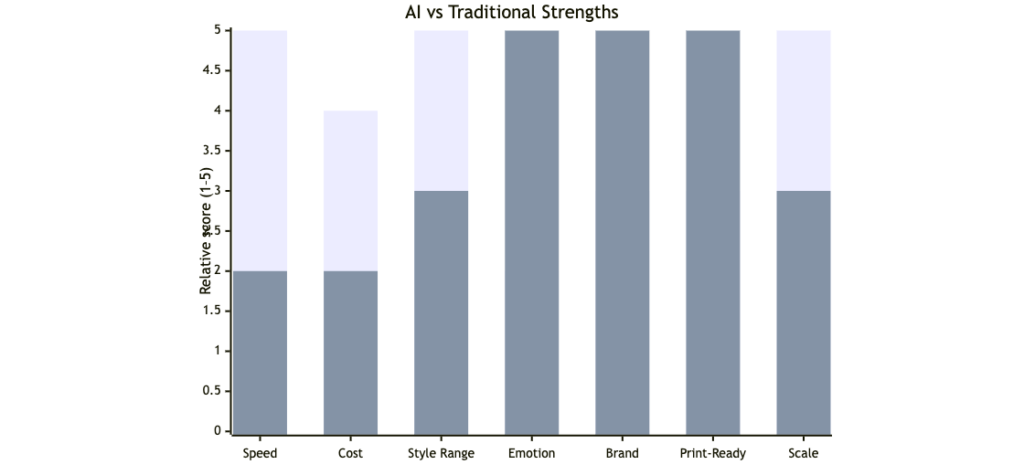
- Pillar pages: Highest leverage, anchor your authority.
- Cluster articles: Build depth, capture long-tail queries.
- One-off posts: Only useful when tied back into a cluster.
SeekLab.io typically proposes a small number of well-defined clusters and pillars first, then fills gaps over time, instead of producing scattered one-off content.
Step 3: Build an SEO-Focused Content Calendar
A content calendar is more than a list of publish dates. For SEO, it should orchestrate topics, resources, technical checks, and refreshes across several months.
Decide on cadence and capacity
Start from what your team can realistically handle. For example:
| Content type | Volume per month | Notes |
|---|---|---|
| New pillar pages | 0–1 | Heavy research and design effort |
| New cluster articles | 2–4 | Balance across priority clusters |
| Content refreshes/updates | 2–3 | Based on performance data |
| Technical and schema reviews | 1 batch | Focused on recently published clusters |
SeekLab.io often recommends a 3–6 month calendar so you can:
- Launch at least one core pillar page in the first 1–2 months.
- Build out supporting cluster content steadily.
- Schedule internal linking and schema reviews as part of the plan, not as an afterthought.
Sequence your work by dependency
A practical order:
- Month 1:
- Complete full technical and content audit.
- Draft and design the first pillar page.
- Publish 1–2 foundational articles that explain key concepts.
- Month 2–3:
- Publish the pillar page.
- Add 3–6 cluster articles answering specific questions and use cases.
- Implement internal linking patterns and initial schema.
- Month 4–6:
- Expand into related clusters (technical SEO for content teams, international SEO).
- Start focused content refreshes to incorporate early performance data.
- Refine page layouts and imagery based on user engagement.
Include regional and multilingual planning
If you serve multiple regions or languages:
- Decide which pillars and clusters will eventually need localized variants.
- Ensure hreflang and international architecture are correct before duplicating content.
- Schedule localization after the original English pillar and cluster structure has proved effective.
SeekLab.io helps teams design calendars that integrate technical milestones (like fixing hreflang) with content releases, so you do not multiply structural problems across regions.

Step 4: Publish, Measure, and Continuously Optimize
Once your content goes live, the focus shifts to measurement and iteration. Topical authority is built over months, not days, so systematic monitoring is essential.
Track the right metrics at cluster and page level
Key indicators include:
| Level | Metrics to track |
|---|---|
| Cluster | Total impressions, clicks, and ranking keywords per topic |
| Page | Organic sessions, time on page, scroll depth, SERP click-through |
| Technical | Core Web Vitals, index coverage, crawl errors |
| Business | Form fills, demo requests, quote inquiries from organic traffic |
Typical optimization actions:
- High impressions, low clicks:
- Refine titles and meta descriptions to match search intent.
- Add FAQ sections to better reflect user questions.
- Good traffic, weak conversions:
- Strengthen CTAs and internal links from educational pages to service pages.
- Add trust elements like process explanations and case snippets.
- Slow ranking growth in a cluster:
- Deepen coverage: add missing subtopics or use-case articles.
- Improve internal link density and anchor text between cluster pages.
- Re-check Core Web Vitals and page load, especially for image-heavy content.
SeekLab.io supports this with monthly data reviews and performance reports, plus clear, actionable recommendations rather than raw numbers.
Plan a refresh cycle from day one
Refreshing content is critical to maintaining topical authority:
- Update statistics, examples, and screenshots.
- Expand sections based on new queries seen in search data.
- Improve internal links to and from newer cluster pages.
- Enhance images, tables, and schema to align with current best practices.
A simple refresh rule of thumb:
| Content age | Typical action |
|---|---|
| 1–3 months | Light updates, extra internal links, minor tweaks |
| 6–12 months | Deeper refresh: new sections, updated data, schema |
| 12+ months | Reassess: consolidate, republish, or retire |
SeekLab.io's philosophy is to focus on the pages and clusters where improvement will most impact your growth, rather than chasing perfection across the entire site.
Bringing It All Together With SeekLab.io
A high-performing SEO content strategy sits at the intersection of:
- Clear business priorities.
- Well-chosen topic clusters and at least one strong pillar page per cluster.
- A realistic, SEO-focused content calendar.
- Solid technical SEO foundations and ongoing measurement.
Instead of producing more isolated blogs, you can:
- Build structured content hubs that signal topical authority.
- Ensure every new article is technically sound and strategically placed.
- Turn organic traffic into qualified leads through better architecture and on-page UX.
If you want help deciding where to focus first, SeekLab.io can:
- Run a comprehensive SEO audit of your site, including Core Web Vitals, indexing, JavaScript rendering, internal linking, schema, and international setup.
- Propose a prioritized topical map and content calendar aligned with your markets.
- Create in-depth, industry-relevant articles with strong visuals, optimized structure, and clear calls-to-action.
- Review performance monthly and adjust your roadmap based on real data.
Share your website domain to get a free audit report and an initial view of which topics and technical fixes will most effectively accelerate your growth.