Black-Hat GEO Puts Brands at Risk
Expert reviewed


In 2026, Generative Engine Optimization (GEO) is no longer a niche idea. It is becoming a practical requirement for brands that want to stay visible in AI search, e-commerce search, and emerging agent-led discovery. But as adoption grows, so does a more dangerous trend: black-hat GEO.
The core problem is simple. Some brands and agencies are trying to manipulate AI systems instead of building content and websites that deserve to be cited. That may produce a short-lived lift in visibility, but it also increases the risk of reputational damage, platform distrust, unstable traffic, and weak commercial outcomes.
For marketing and operations managers, especially those responsible for independent sites, official company websites, and international growth, this matters more than ever. Many teams are already frustrated by overpromising SEO vendors, low-quality AI-generated content, poor image quality, and technical issues that never get resolved. Black-hat Generative Engine Optimization (GEO) makes those risks worse, not better.
Recent research shows why this shift requires a new playbook. According to analyses cited by Search Engine Land, Webflow, FirstPageSage, Prefixbox, and Fortune, AI search engines do not behave like traditional search. ChatGPT may cite retailers in roughly 30 to 36 percent of transactional responses, while Google AI Overviews may cite retailers in only about 4 to 6 percent. At the same time, Reddit has become a dominant source in AI-generated answers, accounting for about 40.11 percent of citations in one 2026 analysis. And in agentic commerce, reliability is still inconsistent, with multi-step purchase flows showing notable failure or hallucination rates.
That combination creates both opportunity and risk. If your brand wants sustainable visibility in AI search, the answer is not manipulation. It is a stronger technical base, better structured content, clearer entity signals, and a multi-engine strategy.
SeekLab.io helps brands build search visibility and AI-era discoverability through high-quality content production and technical optimization. The focus is not on gaming the system. It is on making websites easier for search engines, AI systems, and real users to understand through stronger content structure, information clarity, page architecture, internal linking, and site readiness.
Why Generative Engine Optimization (GEO) changes the rules of AI search
Generative Engine Optimization (GEO) is the process of improving your digital presence so AI systems can understand, cite, and recommend your brand more accurately. Unlike traditional SEO, which mainly aims to rank pages in search results, Generative Engine Optimization (GEO) focuses on whether your content becomes part of the answer itself.
This matters because AI search is now influencing how users research products, compare options, and make buying decisions. In e-commerce search and B2B research alike, users increasingly interact with AI-generated summaries before they ever click through to a website.
The shift from SEO to GEO does not mean SEO is obsolete. It means SEO for AI now depends on a stronger foundation.
| Area | Traditional SEO | Generative Engine Optimization (GEO) |
|---|---|---|
| Main goal | Rank pages | Earn citations and recommendations in AI answers |
| Key signals | Relevance, links, on page SEO, technical health | Entity clarity, schema, factual structure, source consistency |
| Main surfaces | Google and Bing results pages | Google AI Overviews, ChatGPT, Perplexity, Bing Copilot |
| Main metrics | Rankings, traffic, conversions | Citation frequency, AI share of voice, AI-referred traffic |
A practical way to understand this transition is to compare From SEO to GEO: Adapting Content for AI Search with classic SEO planning. The biggest takeaway is that content optimization AI alone is not enough. Brands need structured pages, clear relationships between topics, trustworthy facts, and stable technical performance.
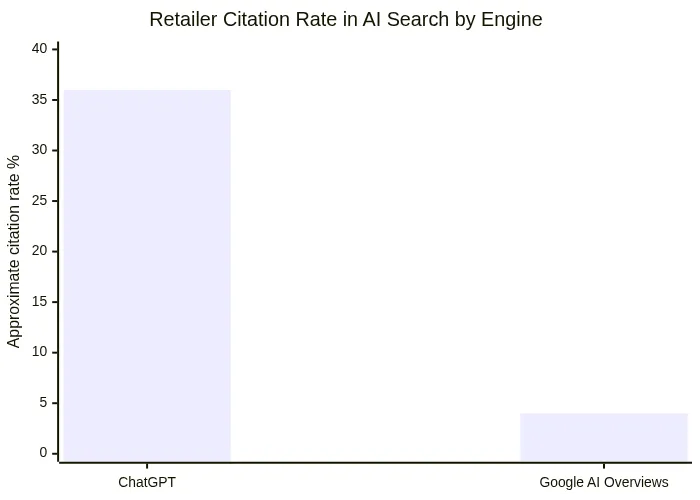
Those differences explain why one-size-fits-all GEO services often fail. A brand may appear frequently in one engine but barely show up in another. That is exactly why strategic decisions need to come before content production or technical fixes.
How black-hat Generative Engine Optimization (GEO) puts brands at risk
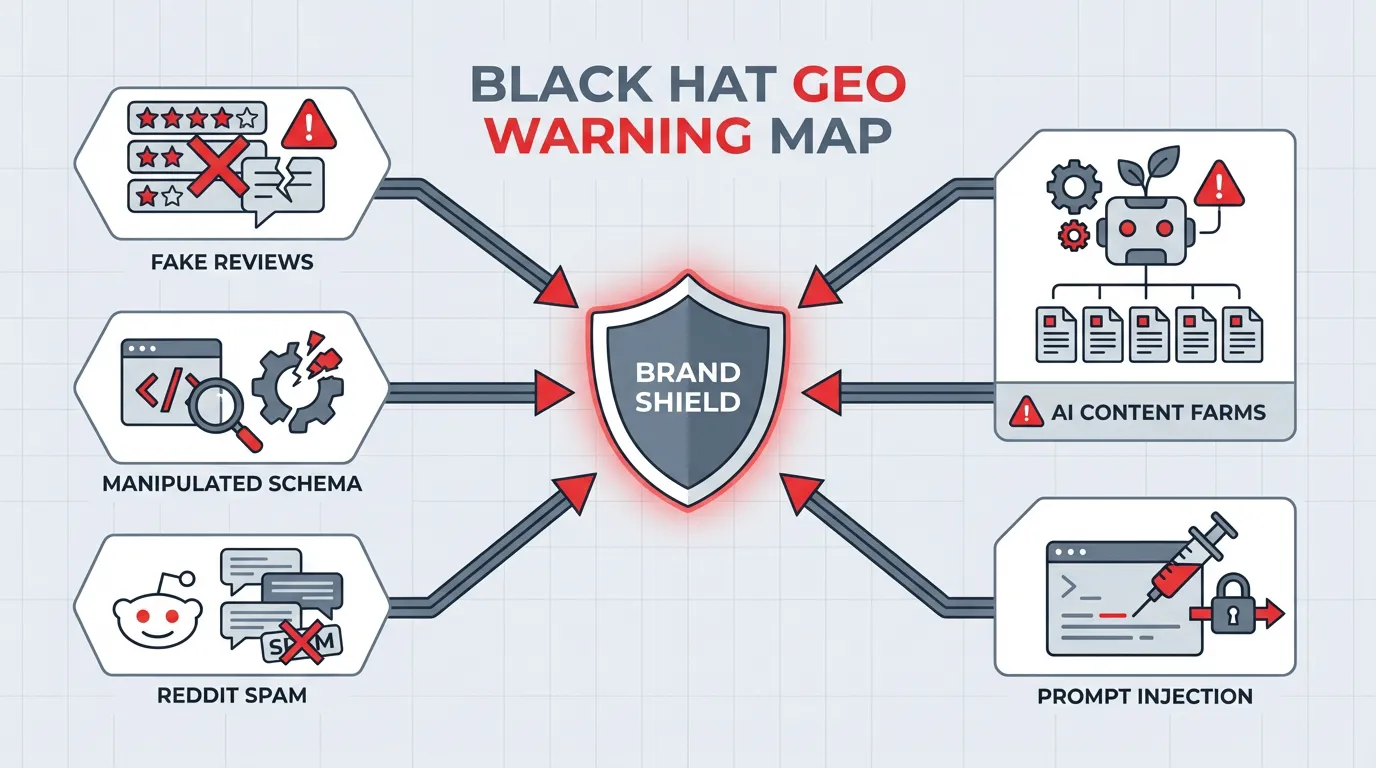
Black-hat Generative Engine Optimization (GEO) usually includes tactics such as fake reviews, fabricated business entities, manipulated schema markup, synthetic Reddit discussions, AI-generated content farms, and prompt injection attempts hidden in public content. These approaches are designed to influence how AI models retrieve and summarize information.
The problem is not only ethics. It is performance risk.
Research and industry commentary suggest that these tactics can create severe downside across five areas:
| Risk area | What black-hat GEO can trigger |
|---|---|
| Reputation | Public callouts, distrust, lower brand credibility |
| Legal and compliance | Misrepresentation, review fraud exposure, deceptive claims |
| Platform visibility | Reduced AI citations, manual actions, de-indexing |
| Technical stability | Rendering issues, poor crawlability, schema conflicts |
| Commercial outcomes | Volatile traffic, lower-quality leads, poor conversion efficiency |
A major issue in AI search is that manipulated signals can look effective before they collapse. A brand may see a sudden rise in mentions, then lose visibility once platforms tighten quality filters or users report spam patterns.
That pattern is especially dangerous in e-commerce search. A temporary citation spike may produce short-term sessions, but if the traffic is built on misleading recommendations or low-quality pages, it often fails to convert into durable revenue. Worse, it can damage brand trust at the exact moment a prospect is evaluating your business.
This is where a real technical SEO audit matters. Many brands are tempted by manipulative GEO services because they do not realize their deeper issue is not visibility alone. It is often site architecture, indexing, internal linking, JavaScript rendering, schema accuracy, or poor alignment between content and real search intent.
Why Generative Engine Optimization (GEO) now depends on Reddit, entity signals, and trust
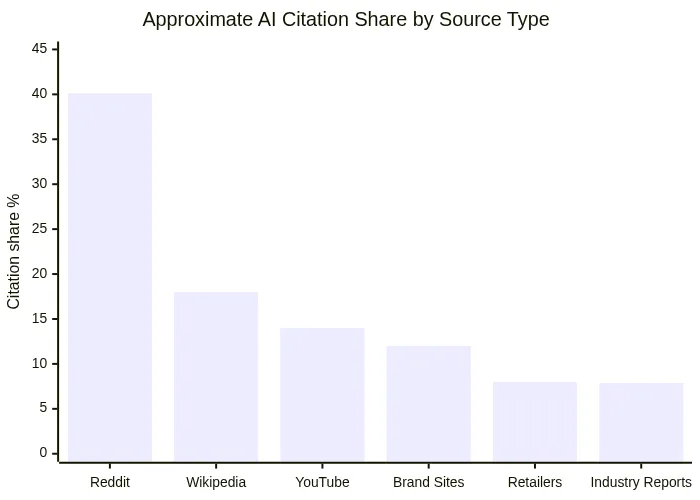
One of the biggest developments in AI search is the rise of community-driven citations. Reddit is now cited by AI systems at a much higher rate than many brand websites. According to the 2026 Webflow report and related analyses, Reddit accounted for roughly 40.11 percent of citations in certain AI answer datasets.
That does not mean brands should spam Reddit. It means AI systems are looking for signals of real-world discussion, firsthand experience, and practical consensus.
For Generative Engine Optimization (GEO), that creates a clear distinction between legitimate participation and manipulation.
Legitimate community strategy
- Transparent participation.
- Helpful answers based on expertise.
- Long-term contribution without fake consensus.
- References to useful resources only when relevant.
Black-hat community strategy
- Undisclosed brand promotion.
- Coordinated upvotes or account networks.
- Repetitive AI-generated comments.
- Synthetic conversations designed to bait AI citation systems.
If your brand relies on fake community endorsement, the downside is significant. Once users identify the pattern, the negative discussion can become more visible than the original promotion. In AI search, that kind of reputational reversal can spread quickly.
The better path is entity SEO supported by trustworthy content and sound site architecture. That means making it easy for AI systems to understand:
- Who your brand is.
- What products or services you provide.
- Which pages should be treated as authoritative.
- How topics, services, locations, and use cases connect.
This is also why multilingual brands and exporters need stronger technical alignment. If hreflang SEO, canonical logic, and internal structure are weak, AI systems may cite the wrong regional version or miss key brand context altogether. For that, The Ultimate Guide to Multilingual SEO Strategy in 2026 is directly relevant.
How white-hat Generative Engine Optimization (GEO) supports better e-commerce search and SEO for AI
The strongest case against black-hat GEO is not just that it is risky. It is that white-hat execution works better over time.
Industry reporting cited in the research suggests that GEO-compliant Shopify stores have achieved up to 8 times more AI traffic and 15 times more AI-attributed orders than less prepared peers in some categories. At the same time, enterprise adoption is accelerating, with 94 percent of surveyed companies increasing GEO or AEO budgets.
But the winners are not simply publishing more content. They are improving the inputs AI systems trust.
A white-hat Generative Engine Optimization (GEO) strategy typically includes:
-
Technical readiness
Crawlability, rendering, indexing, Core Web Vitals SEO, sitemap validation, and schema markup SEO. -
Entity-centered content
Fact-rich articles, comparison pages, FAQs, and use-case resources that AI systems can summarize accurately. -
Strong internal linking
Logical relationships between commercial pages and supporting content. -
Multi-engine measurement
Tracking citation patterns across Google AI Overviews, ChatGPT, Perplexity, and Bing Copilot. -
Human-reviewed content optimization AI workflows
AI may support drafts and research, but expert review is essential.
The content side matters as much as the technical side. Brands that publish shallow pages full of repeated claims may still fail in AI search because those pages do not offer enough substance to be cited confidently. High-performing SEO for AI requires depth, structure, and evidence.
SeekLab.io approaches this through a combination of structured diagnostics, strategic topic selection, and high-quality editorial execution. That includes high-value visuals, tables, internal links, and content aligned with both SEO and AI citation logic. It also means focusing on what truly impacts growth instead of trying to fix everything at once.
If JavaScript-heavy pages, rendering issues, or unstable page elements are affecting discoverability, Technical JavaScript SEO and Indexing Solutions provides a useful reference point for understanding how technical implementation affects AI-era visibility.

What brands should do next with Generative Engine Optimization (GEO)
The safest and most effective response to black-hat GEO is not fear. It is better prioritization.
Here is a practical roadmap for brands that want stronger Generative Engine Optimization (GEO) without exposing themselves to unnecessary risk.
1. Start with a technical and strategic baseline
Run a full-site review covering:
- Crawlability and indexing.
- JavaScript SEO and rendering behavior.
- Core Web Vitals SEO.
- Canonical and hreflang SEO.
- Schema markup SEO.
- Internal linking strategy.
- AI search citation readiness.
2. Build a content system designed for AI search
Create content that reflects real search behavior and business scenarios:
- Definitions, comparisons, process pages, and FAQs.
- Commercial pages supported by educational clusters.
- Clear tables, images, and structured explanations.
- Content optimization AI workflows with human review.
3. Avoid shortcuts that create hidden liabilities
Do not rely on:
- Fake reviews.
- Fabricated expertise signals.
- Reddit astroturfing.
- Misleading schema.
- Thin AI content at scale.
4. Monitor outcomes across visibility and conversion
Track:
- Organic rankings and traffic.
- AI search citations.
- Landing page engagement.
- Lead quality.
- Inquiry and conversion rates.
5. Prioritize what matters most
Not every issue deserves immediate action. The right process identifies what is blocking growth now, what supports future visibility, and what can be deprioritized safely.
That is where SeekLab.io adds practical value. Beyond diagnostics, the team provides clear technical guidance, high-quality content production, and strategic recommendations that help brands avoid heading in the wrong direction. The goal is not simply more traffic. It is stronger visibility, credibility, and conversion potential across traditional search and emerging AI-driven discovery.
If you want to reduce GEO risk while improving real discoverability, Get a free audit report, contact us, and leave your website domain.
Black-hat Generative Engine Optimization (GEO) may look tempting because it promises speed. But the evidence from AI search, e-commerce search, and agentic commerce points in the same direction: manipulation creates unstable outcomes, while technical clarity, structured content, and trustworthy brand signals create resilience.
For brands that care about long-term growth, the future of Generative Engine Optimization (GEO) is not about tricking AI systems. It is about making your website easier for search engines, AI systems, and real users to understand. That is exactly where SeekLab.io is positioned to help.
To take the next step, Get a free audit report, contact us, and leave your website domain.