Link Building Audit & Strategy Guide 2026
Expert reviewed

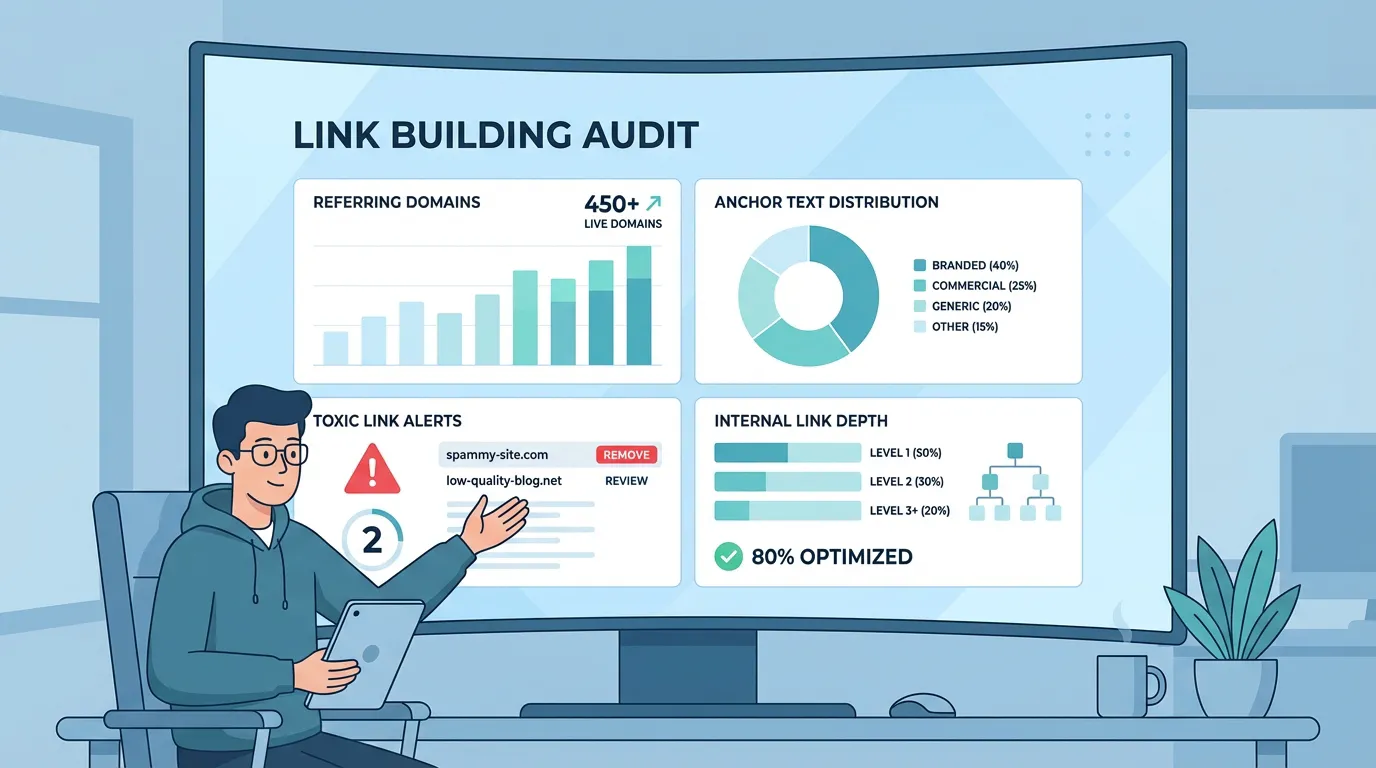
In 2026, link building is less about collecting backlinks and more about earning citations and clicks from the right pages, in the right context, to the right on-site destinations. Recent quality and spam-focused updates, plus ongoing industry analysis of how Google evaluates sitewide quality and engagement, have made "more links" a risky north star. A better approach is audit-first: verify technical readiness, quantify link risk, identify linkable assets worth promoting, then run outreach that is regionally and topically relevant.
Why Link Building Still Matters in 2026 (And What Changed)
Link building still influences rankings, but the "why" has matured:
- Relevance and real usage matter more than raw volume. Links embedded in genuinely useful pages that attract readers are more defensible than low-engagement placements.
- Spam tolerance is lower. Link schemes remain explicitly against policy, and the practical outcome is simple: questionable placements tend to be ignored at best, harmful at worst. Use Google's official guidance as your baseline, not vendor promises: Google Search Central spam policies.
- AI-powered search increases the value of being referenced. AI answers often surface citations; pages that are structured, specific, and authoritative have better odds of being cited. Two good primers on how citations work in AI search: Semrush guide to AI citations.
The strategic implication: white hat link building is now inseparable from technical SEO, content quality, and brand trust signals (authorship clarity, structured data, fast pages, clean architecture). If your site is slow, hard to crawl, or internally disorganized, even excellent links can underperform because equity and engagement do not compound.
The Link Building Audit: A Practical Checklist You Can Run Quarterly
A 2026-ready audit should tell you four things clearly: what is helping, what is risky, what is missing, and what to do next. Below is a compact framework you can reuse.
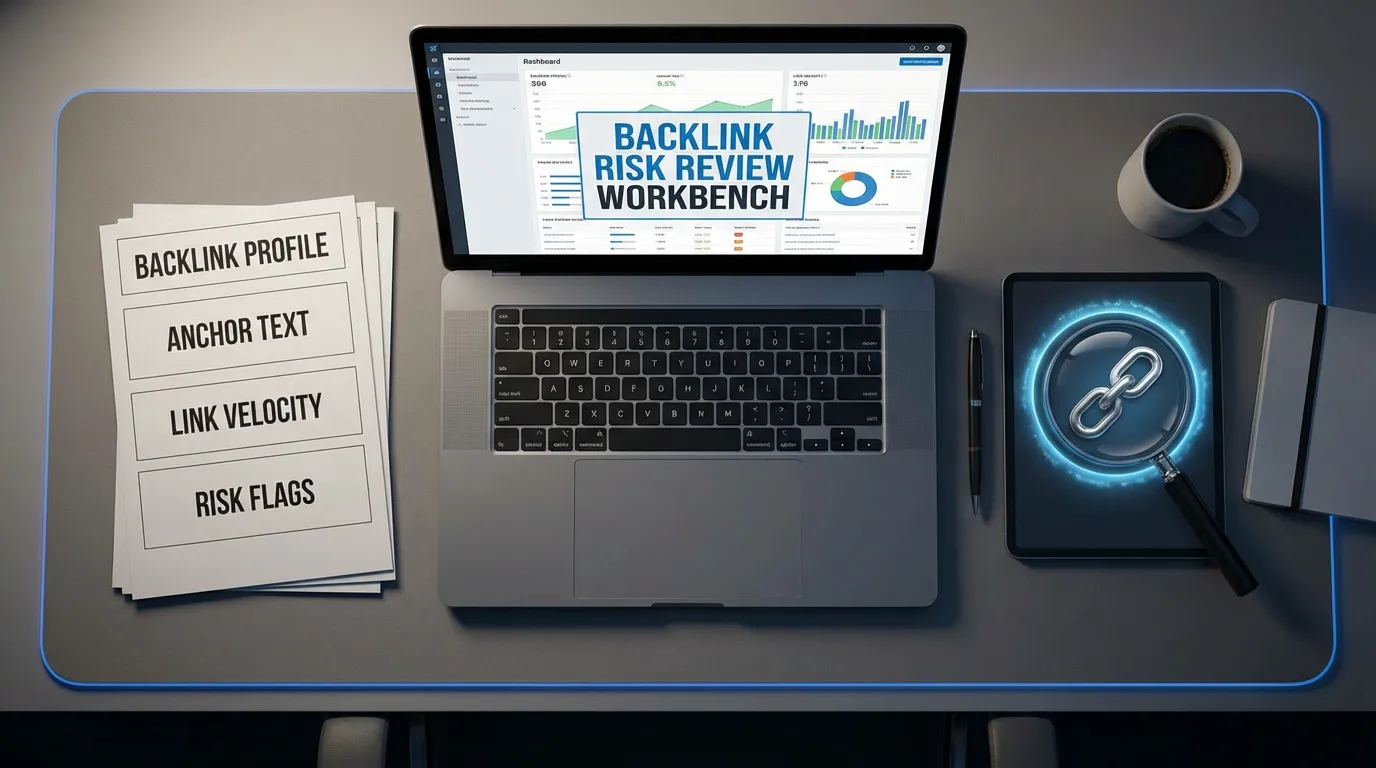
Audit areas and what to look for
| Audit area | What to measure | Red flags in 2026 | Best next action |
|---|---|---|---|
| Backlink quality | Referring domains by topical relevance and region, in-content vs footer/sidebar placements | Many sitewide links from irrelevant sites, heavy exact-match anchors, sudden unnatural spikes | Triage: prioritize removing or disavowing only when clearly harmful, and stop the source |
| Anchor text mix | Brand vs generic vs keyword-rich anchors | Over-optimized commercial anchors repeated across domains | Shift future acquisitions toward branded, natural anchors |
| Link destination health | Are linked pages indexable, fast, and aligned with intent? | Links pointing to non-indexed pages, redirect chains, thin content | Fix indexability, consolidate duplicates, improve the linked page first |
| Internal linking and architecture | Click depth, orphan pages, topical clusters, contextual internal anchors | Money pages buried, orphaned assets, confusing locale paths on international sites | Build hub-and-spoke clusters and route equity intentionally |
| Linkable asset inventory | Do you have assets people cite: benchmarks, tools, templates, definitive guides? | Only "company news" blogs, thin posts, no visuals or data | Plan 1 to 2 flagship assets per quarter and support with smaller pieces |
| Competitive link gaps | Which quality sites link to peers but not you? | Competitors earning links via assets you do not have | Rebuild the asset category, then promote it to the same ecosystems |
A key principle (and how SeekLab.io works): do not try to fix everything. Sort findings into: (1) impacts growth now, (2) worth scheduling, (3) safe to deprioritize. This prevents wasted months on low-leverage cleanup while competitors build compounding authority.
Building Linkable Assets That Earn Links (And AI Citations)
Most teams fail link building because they promote content that is not designed to be referenced. In 2026, linkable assets need three traits:
- Publisher-friendly: easy to cite, quote, and verify (clear sections, definitions, data points).
- User-complete: solves the problem end-to-end, not "intro to X."
- Technically clean: fast, indexable, and structured (schema where appropriate, consistent headings, clear authorship).
Common linkable asset formats that work especially well for B2B, exporters, and multi-region sites:
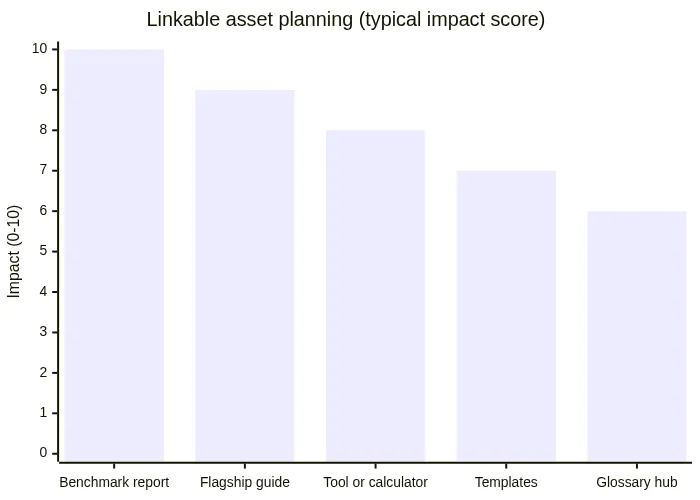
- Annual benchmarks and original research (even "small data," if methodology is clear).
- Flagship how-to frameworks tailored to real workflows (procurement, compliance, logistics, B2B lead qualification).
- Templates and checklists that teams can adopt immediately.
- Visual explainers (diagrams, process maps) that writers embed and reference.
Here is a simple planning view to keep your asset roadmap realistic.
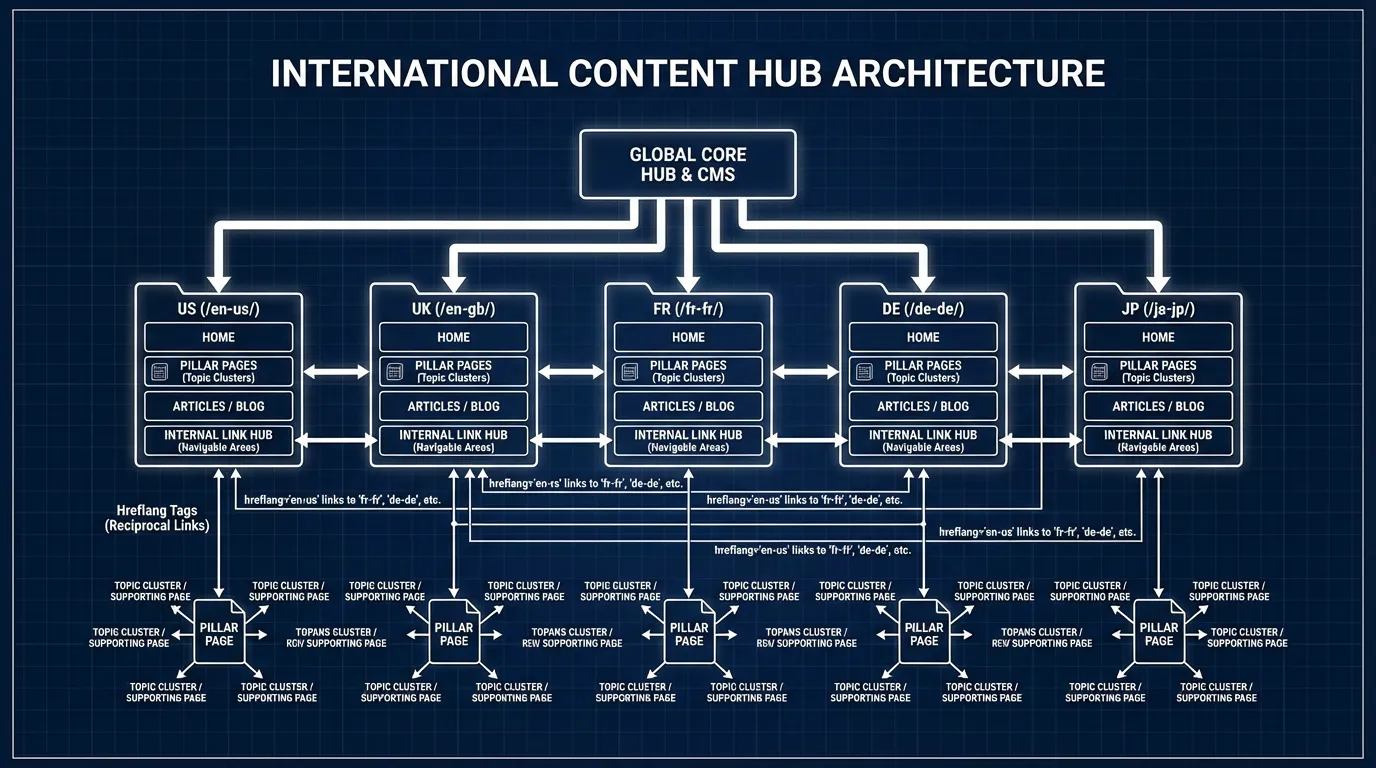
For international sites, design assets with localization in mind:
- Create regional versions (US, Europe, Asia-Pacific) where intent differs.
- Ensure hreflang and internal links do not mix locales in a way that confuses users or crawlers.
- Build localized "hub pages" that can attract region-specific links from associations, directories, and partner ecosystems.
Outreach That Works in 2026: Relationship-First, Region-Aware
Outreach is still essential, but it must be selective and human. The goal is not "send 1,000 emails," it is "earn 10 placements that drive compounding authority and qualified visits."
High-signal outreach motions:
- Broken link outreach: help a publisher fix a real problem, offer your asset as the replacement.
- Resource page outreach: pitch inclusion only when your asset is clearly the best fit.
- Digital PR for SEO: pitch data, trends, and expert commentary tied to timely topics.
- Partnership and co-marketing: co-authored reports and webinars can earn the highest-trust links.
Regional nuance matters:
- Asia-Pacific: trust and introductions often outperform cold volume. Consider chambers of commerce, trade groups, and bilingual outreach where relevant.
- United States: cold outreach can work if the first message is specific and value-forward.
- Europe: be careful with contact data handling and keep outreach compliant and respectful of preferences.
Measurement and a 30/90/180-Day Plan (So Links Turn Into Leads)
A mature strategy measures beyond backlink counts:
- Link quality: relevant referring domains, contextual placements, and whether the linking page is indexed and gets traffic.
- Cluster outcomes: rankings and traffic growth across a topic cluster, not just one page.
- Lead impact: form submissions, RFQs, demo requests, or contact clicks originating from link-supported content.
A simple 30/90/180 structure:
- First 30 days: full audit, risk triage, fix high-leverage technical blockers (indexing, redirects, broken internal links), pick 1 flagship asset.
- Next 90 days: publish the flagship asset plus supporting content, tighten internal linking to conversion paths, launch targeted outreach.
- Next 180 days: refresh and expand the asset into a mini hub, run regional campaigns (APAC, US, Europe), and systematize monthly reporting.
SeekLab.io is a fit when you want link building tied to real business outcomes, backed by deep technical diagnostics and clear prioritization. That includes content planning and creation with strong visuals, plus guidance on what to tackle now versus what to deprioritize. SeekLab.io also shares risk in delivery: no charge if the minimum expected results are not achieved, and some simple technical issues can be fixed for clients at no cost.
If you want an outside set of expert eyes to audit your current approach and map a realistic roadmap, get a free audit report, contact us, and leave your website domain.