Multilingual SEO Strategy for 2026: Architecture, Hreflang, Content, and Measurement
Expert reviewed

A multilingual SEO strategy in 2026 needs four things to work together: the right market and URL architecture, correct hreflang and technical implementation, localized keyword and content decisions, and performance tracking by language and region. This guide shows how to plan each part so multilingual expansion supports visibility, qualified traffic, and leads instead of creating fragmented pages and wasted translation spend.
The common mistake is to treat multilingual SEO as a translation project. In practice, strong results usually depend on architecture choices, indexation clarity, local search intent, and whether each language version is built for a real market rather than copied from the source site.
Use this framework to decide where to expand first, how to structure localized URLs, what content to translate versus re-create, and which KPIs to review by locale. That is what turns multilingual SEO from a technical checklist into a growth system.
What Is Multilingual SEO in 2026?
Multilingual SEO is the process of making your website discoverable and competitive in organic and AI‑driven search across multiple languages and locales.
It sits at the intersection of:
- Correct international architecture (domains, subfolders) and hreflang SEO
- Market‑by‑market keyword research and localized content
- Strong technical foundations (Core Web Vitals, JavaScript SEO, schema markup SEO, internal linking strategy)
- AI Overviews and answer engines that increasingly summarize, rewrite, and cite your pages
It is different from:
- International SEO: focuses on countries/regions; can be same language (e.g., en‑US vs en‑GB)
- Local SEO: focuses on "near me" and geo‑specific queries inside a region
- Pure translation: reusing the same keywords and topics everywhere, which rarely matches real‑world search intent
For exporters, B2B firms, and ecommerce brands across Asia‑Pacific, the US, and Europe, the main risk today is mis‑directed investment: building multiple language sites without a clear multilingual SEO strategy, then wondering why visibility and inquiries lag.
Step 1: Choose the Right Markets, Languages, and Architecture
Before touching code or content, decide where you actually need to win and how your site should be structured.
Clarify markets, languages, and locales
Start from business reality, not translation volume:
- Which countries generate the most qualified leads or revenue today?
- Which regions are strategic in the next 12–24 months?
- For each, which language and locale combination do you truly need?
- English: en‑US vs en‑GB vs en‑SG
- Spanish: es‑ES vs es‑MX
- Chinese: simplified vs traditional, and which markets they map to
Document this as a matrix of market → language → URL pattern. This becomes the backbone of your SEO site architecture and hreflang SEO plan.
Pick an architecture you can maintain
Most organizations end up with one of three models:
| Architecture type | Example | Strengths | Risks / trade‑offs | When it fits |
|---|---|---|---|---|
| ccTLD | example.fr | Strong geo signal, clear for users | Splits authority, higher cost & governance per domain | Large, well‑resourced brands deeply embedded in each country |
| Subdomain | fr.example.com | Flexible infrastructure, some content separation | Weaker geo signal, can fragment SEO efforts | Complex organizations needing technical isolation per region |
| Subdirectory | example.com/fr/ | Centralized authority, easier to manage and scale | Needs disciplined internal linking and clear language separation | Most exporters, B2B and ecommerce sites wanting global scale |
In practice, subdirectories are the most flexible and cost‑effective option for many independent sites.
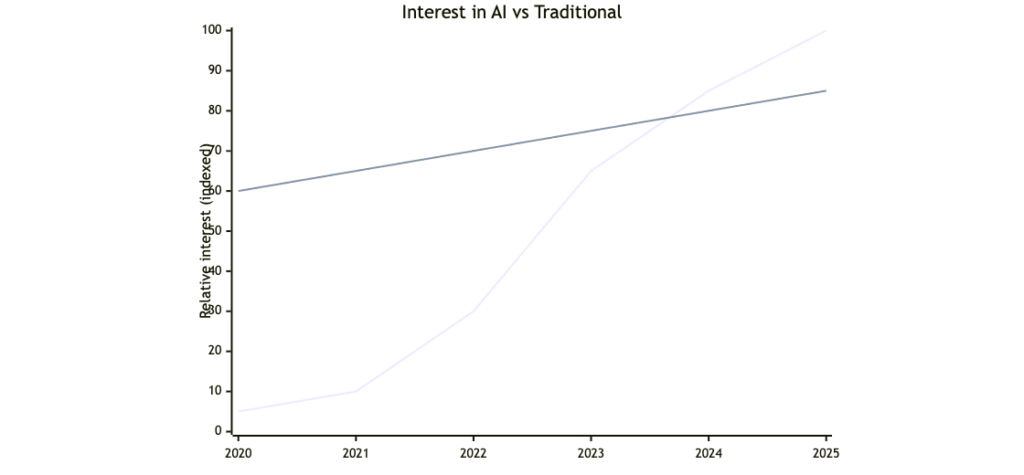
You can visualize the trade‑offs like this:
Whatever you choose, ensure:
- Every localized version has a unique, crawlable URL
- Your internal linking strategy and XML sitemaps reflect the same structure
- Mixed‑language pages (e.g., English navigation on a Japanese URL) are systematically removed
SeekLab.io's SEO site architecture and SEO audit services are designed to stress‑test your current setup before you commit to expanding.
Step 2: Get Hreflang SEO and Technical Foundations Right
Once your architecture is clear, you need to make it understandable for search engines and fast for users.
Implement hreflang SEO correctly
Hreflang annotations tell Google which version of a page is intended for which language/region. Done right, they:
- Show the right language page to the right user
- Reduce self‑competition between similar versions
- Stabilize rankings during international expansion
Core rules, based on Google Search Central and specialist hreflang guides:
- Use valid BCP‑47 language/region codes (e.g.,
en-us,en-gb,fr-fr,es-mx) - Every page should reference:
- Itself (
self‑referencinghreflang) - All its alternates
- Itself (
- Hreflang should only point to canonical, indexable URLs
- Pick one implementation method (HTML
<head>or XML sitemaps) and keep it consistent at scale
Typical failure patterns on large multilingual sites include:
- Invalid codes (e.g.,
en-ukinstead ofen-gb) - Missing return links between alternates
- Pointing hreflang to redirects or parameter URLs
- Adding hreflang to
noindexpages
These issues do not trigger visible penalties; Google often just ignores your configuration. That is why structured diagnostics and ongoing SEO health checks are critical.
Don't neglect Core Web Vitals, JavaScript SEO, and schema
Multilingual sites inherit all the usual technical SEO risks, plus some:
- Core Web Vitals SEO
- Longer translated text can hurt LCP and CLS in specific languages
- Different scripts (Latin vs Chinese vs Arabic) and fonts can shift layouts
- Hosting and CDN choices may be fast in one region and slow in another
- JavaScript SEO
- If your language switcher, navigation, or localized content is rendered only client‑side, some localized URLs may remain poorly indexed
- Frameworks like React, Next.js, or Vue should use server‑side rendering or static generation for localized routes
- Schema markup SEO and entity SEO
- Use
inLanguagefor each localizedArticleorProduct - Localize
priceCurrency, addresses, and other market‑specific data - Keep your
Organizationentity consistent across all languages to consolidate brand SEO
- Use
SeekLab.io's technical SEO audit can surface:
- Hreflang and canonical alignment issues
- Locale‑specific Core Web Vitals problems
- JavaScript rendering gaps that affect localized pages
- Schema inconsistencies that weaken your entity signals in non‑English markets
Step 3: Build Localized Content That Actually Converts
Technical foundations make you eligible to rank. Localized content and on‑page SEO determine whether you win meaningful queries and turn them into inquiries.
Do keyword research per market, not per language only
Avoid direct keyword translations. Instead:
- Start from your high‑value products, categories, and services
- For each priority market:
- Analyze local SERPs: what types of pages rank (guides, product pages, directories)?
- Use local keyword tools and competitor research in that market
- Involve native‑speaking subject‑matter experts where possible
This is where concepts like SEO content strategy, search intent SEO, and topical authority become critical. The same topic ("industrial sealing solutions") can appear in very different query forms across languages.
Decide what to translate, adapt, or re‑create
Not every piece of English content deserves to exist in every language. A practical content decision framework:
| Content type | Recommended approach | Why |
|---|---|---|
| Core product / solution pages | Full localization with keyword research | Direct revenue impact, high buying intent |
| Key blog pillars & guides | Localized and selectively adapted | Build topical authority and support sales conversations |
| Case studies, regulations, how‑tos | Often re‑created per market | Different proof points, laws, buyers |
| Low‑performing or hyper‑local posts | Usually not translated | Little SEO or business value internationally |
This aligns with SeekLab.io's philosophy: don't try to fix or translate everything. Focus on what truly drives growth, and deliberately deprioritize the rest.
Raise the bar for quality and visuals
Your audience's recurring complaints about multilingual content are consistent:
- It feels generic and obviously AI‑generated
- It ignores real industry context in that country
- It has few or low‑quality visuals
To avoid this:
- Treat machine translation as a draft, not a finished product
- Add local examples: regulations, trade shows, distributor models, payment norms
- Align tone and CTAs with local norms (for example, some markets prefer direct "Get a quote" language; others respond better to "Schedule a consultation")
And invest in visuals that work globally:
- Diagrams explaining your process or architecture
- Tables summarizing complex specs in the local unit system
- Clean, on‑brand images that still feel relevant in each priority market
SeekLab.io specializes in creating in‑depth SEO content that includes not just well‑structured text but also images, tables, and internal links designed for both rankings and conversion.

Step 4: Measure Multilingual SEO Impact and Iterate
To avoid the "traffic but no leads" trap, track performance by locale, not just at the domain level.
Define KPIs per language and region
At minimum, monitor:
| Area | Metric examples |
|---|---|
| Visibility | Impressions and average position for priority keywords by locale |
| Traffic quality | Organic sessions, engaged sessions, bounce rate per locale |
| Indexation health | Indexed pages vs intended pages, per language and directory |
| Conversion | Form fills, quote requests, demo bookings, hotline calls per locale |
| Experience | Core Web Vitals (LCP, INP, CLS) for key templates per region |
Visualizing performance over time helps you spot whether improvements are turning into business outcomes:
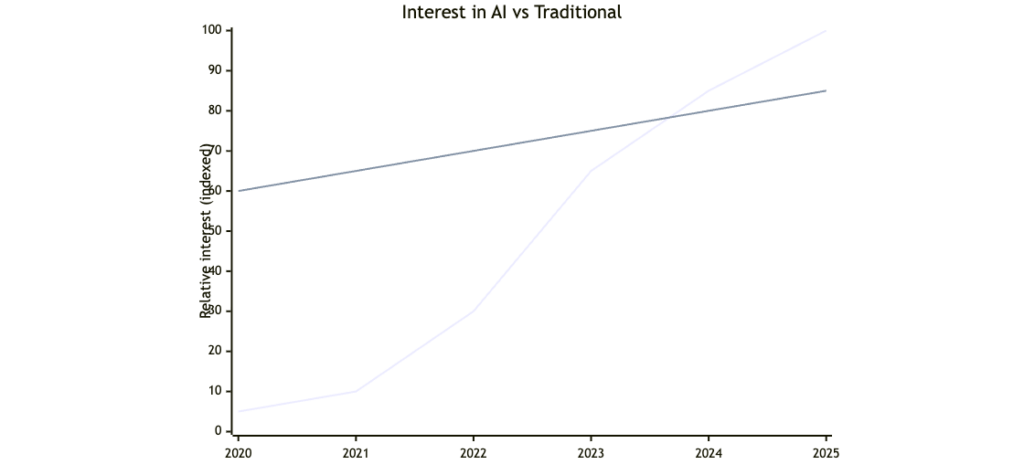
If the composite index (combining traffic and leads) rises, but leads lag behind traffic, you may have:
- Weak local proof (few testimonials or local case studies)
- Misaligned CTAs for that market
- Slow localized pages even if they are ranking
Build a repeatable multilingual SEO health check
For each quarter, run a lightweight multilingual SEO health check that covers:
- Architecture drift (new sections or parameters that break clean URL patterns)
- Hreflang SEO coverage and error rate
- Core Web Vitals deltas between markets
- New JavaScript or tracking implementations that might block crawling
- Schema completeness and consistency across language versions
SeekLab.io can support this through regular SEO health check reports and monthly reviews, making sure small issues are corrected early—and simple fixes may even be resolved free of charge.
When to Bring in a Partner Like SeekLab.io
Multilingual SEO is where technical SEO, content operations, and business strategy collide. It is also where internal teams often stall:
- Marketing owns translation, but not hreflang or Core Web Vitals
- Developers own deployment, but not search intent or content quality
- No one is accountable for whether localized traffic turns into leads
SeekLab.io is built to close exactly these gaps, especially for independent sites, exporters, and B2B companies across Asia‑Pacific, the US, and Europe.
How SeekLab.io can plug into your roadmap:
- Before you expand
- Run a comprehensive SEO audit and SEO health check across your current site
- Stress‑test your international SEO site architecture options
- Prioritize markets and languages based on realistic growth potential
- While you implement
- Provide deep technical SEO audit guidance on hreflang SEO, canonical tag SEO, Core Web Vitals SEO, JavaScript SEO, and schema markup SEO
- Help your team avoid common pitfalls with website crawlability and Google indexing issues
- Offer expert consultation so your developers know exactly how to implement recommended fixes
- As you scale content
- Build an SEO content strategy and keyword research plan per market
- Deliver SEO content briefs and finished multilingual blog posts that read like they were written by seasoned local industry experts
- Ensure every article is structured for search intent SEO, topical authority, and AI‑search friendliness—with strong internal linking and conversion paths
And critically, SeekLab.io is outcome‑driven: if the minimum agreed results are not achieved, there is no charge. You can also request a free audit report or simply contact the team with your domain to get an initial view of your multilingual SEO risks and opportunities.
Before you translate more pages or add new language versions, make sure your strategy, architecture, and diagnostics are in place. That is how multilingual SEO in 2026 stops being a cost center—and starts becoming a predictable source of qualified international leads.