SEO Reporting: Top KPIs to Track in 2026
Expert reviewed

SEO reporting in 2026 is no longer about sending a monthly report filled with rankings and traffic screenshots. The teams making better decisions now use SEO reporting to connect visibility, technical health, content quality, and conversion performance in one clear system.
For marketing and operations managers, that shift matters. Rankings can rise while leads stay flat. Traffic can grow while pipeline quality drops. A dashboard can look busy while the site still has crawlability, indexing, JavaScript, or Core Web Vitals issues holding back real growth.
That is why the best SEO reporting frameworks now focus on a smaller set of SEO KPIs that answer practical questions:
- Are the right people finding the site?
- Are they having a strong experience?
- Are they engaging with the right pages?
- Are those visits turning into inquiries, opportunities, and revenue?
- What should the team fix next, and what can wait?
SeekLab.io approaches this the same way. The goal is not to fix everything. The goal is to identify what truly impacts growth, deprioritize low-value noise, and pair diagnostics with clear actions, content support, and monthly data review.

1. Start with the 5 KPI groups that matter most
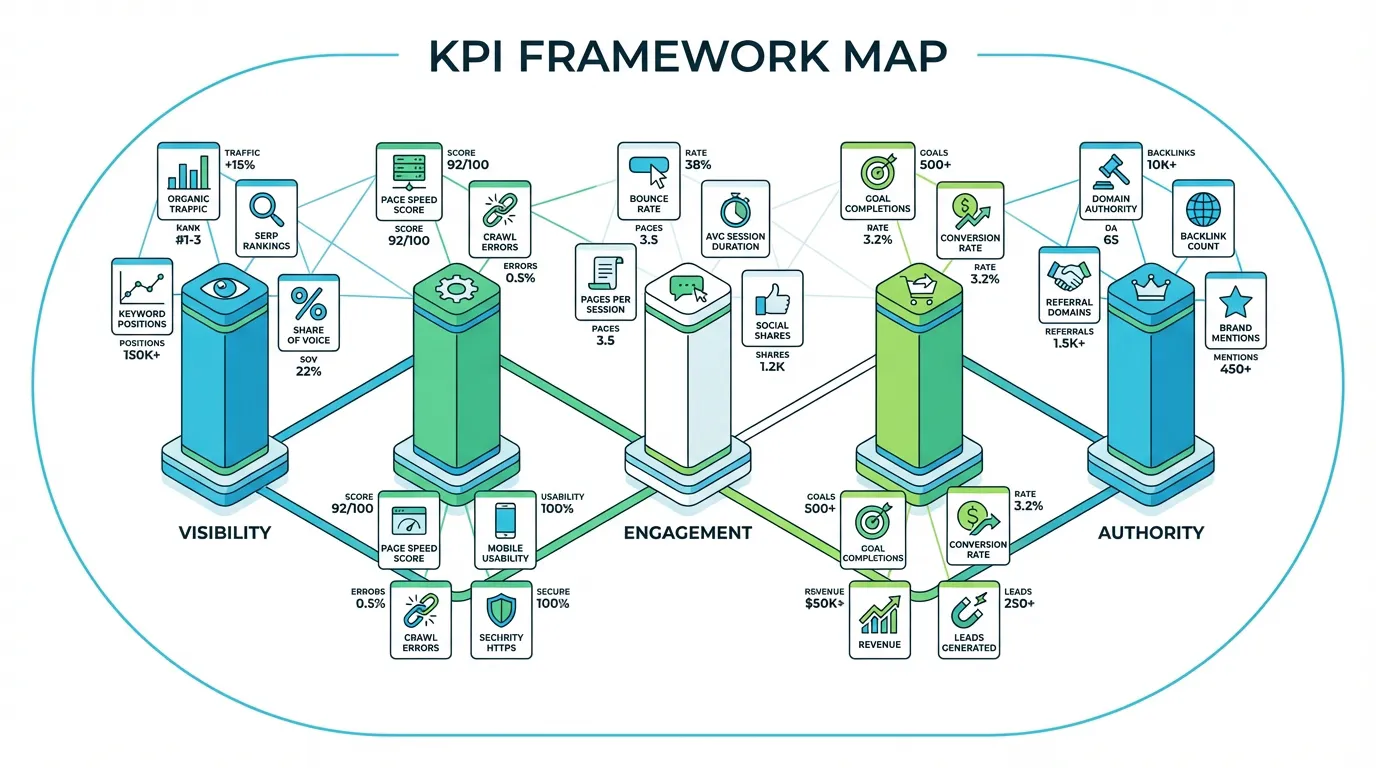
A strong SEO reporting system should be decision-focused, not metric-heavy. In most cases, these five groups are enough to build a reliable dashboard.
| KPI group | What it answers | Primary data source | Why it matters in 2026 |
|---|---|---|---|
| Visibility | Are people discovering the site in search? | Google Search Console | Shows demand, reach, and snippet performance |
| Technical health | Can search engines crawl, render, and index the site properly? | Search Console, crawl tools, performance tools | Prevents hidden losses before content can perform |
| Engagement | Are visitors finding the content useful? | GA4 | Helps validate content quality and intent match |
| Conversions | Is organic traffic producing leads or sales? | GA4, CRM | Connects SEO to business outcomes |
| Authority and market coverage | Is the site building trust across markets and topics? | SEO platforms, Search Console, GA4 | Important for competitive growth, international SEO, and long-term resilience |
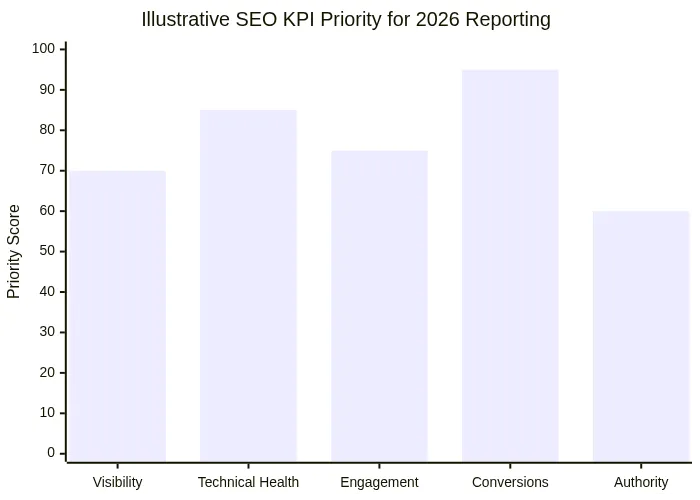
A useful rule: executives need outcomes, marketers need patterns, and developers need root causes. Your dashboard should reflect that.
2. Track visibility, but do not stop at rankings
Rankings still matter, but they are only one layer of SEO reporting. In 2026, visibility should include the full discovery picture.
Core visibility metrics to include
- Impressions
- Clicks
- CTR
- Average position
- Share of keywords in top 3 and top 10
- Brand vs non-brand search performance
- Index coverage for important URLs
According to the Google Search Console Performance report, impressions, clicks, CTR, and average position remain the foundation for understanding how pages appear in search. But by themselves, they do not explain whether those visits are commercially useful.
A better monthly report should segment visibility like this:
| Visibility metric | Good use in a monthly report | Common mistake |
|---|---|---|
| Impressions | Measure demand growth by topic cluster | Treating more impressions as success without checking relevance |
| Clicks | Show which pages actually attract visits | Ignoring whether clicks come from useful queries |
| CTR | Diagnose title and snippet strength | Comparing CTR without considering SERP features |
| Average position | Spot upward or downward trend | Obsessing over one keyword instead of page groups |
| Indexed pages | Confirm key pages can compete | Counting all indexed pages equally |
This is also where a proper technical SEO audit becomes essential. If important pages are not crawlable, incorrectly canonicalized, or stuck in "Crawled - currently not indexed", reporting will expose the problem early instead of masking it behind vanity metrics.
For larger sites, visibility reporting should also flag:
- Cannibalization between similar pages
- Country or language mismatches
- Weak CTR on high-impression pages
- A gap between impressions and actual business conversions
3. Technical and experience KPIs now belong in every dashboard
Technical performance is no longer a side note in SEO reporting. It directly affects discovery, usability, and conversion.
The most important technical SEO KPIs to report monthly are:
- Core Web Vitals pass rate
- Indexed vs submitted pages
- Crawl errors and server response issues
- JavaScript rendering problems
- Valid structured data coverage
- Internal linking health
- Redirect chains, soft 404s, and orphan pages
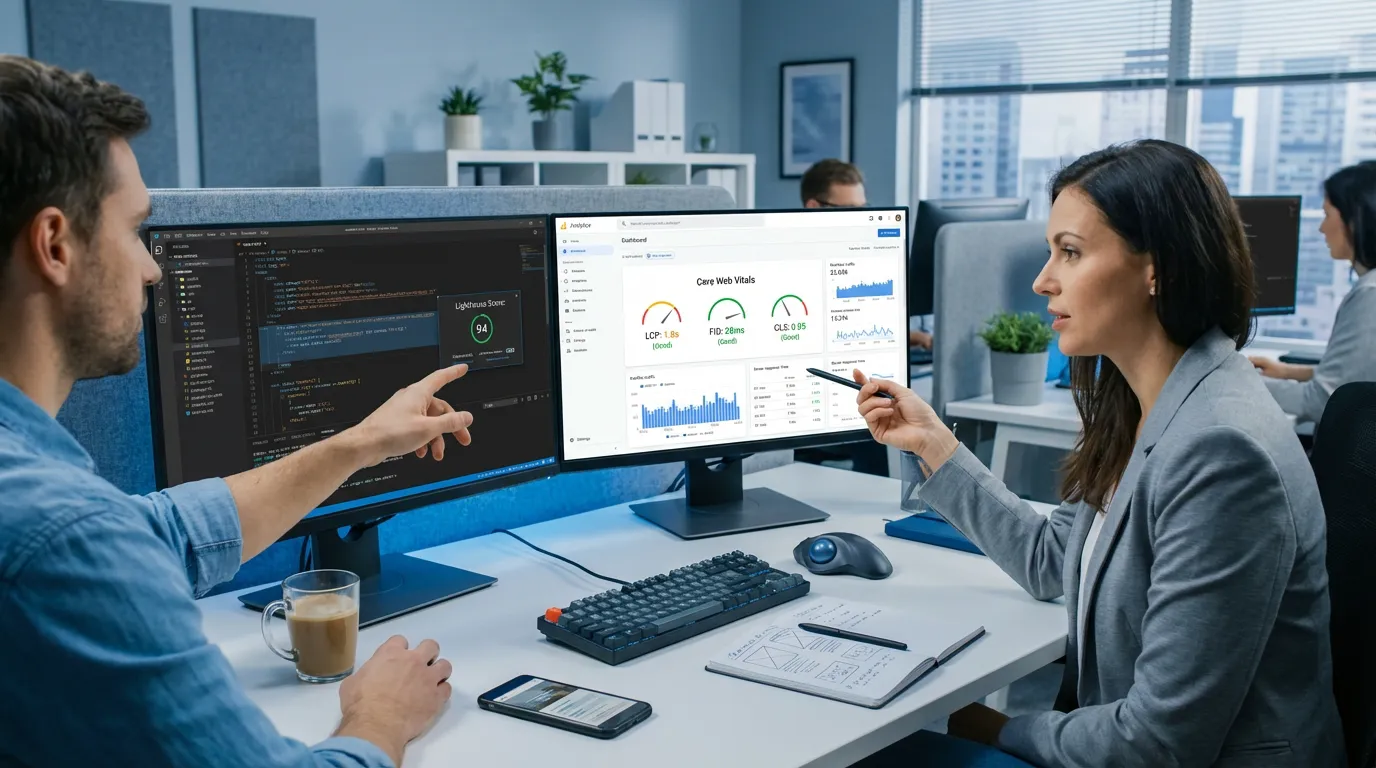
Google confirms that Core Web Vitals are part of page experience evaluation, and web.dev's guidance sets the standard thresholds many teams still use for reporting:
- LCP: 2.5 seconds or less
- INP: 200 milliseconds or less
- CLS: 0.1 or less
- Ideally, at least 75 percent of page loads should meet the "Good" threshold
A practical technical snapshot for a monthly report
| KPI | What to monitor | Why it matters |
|---|---|---|
| Core Web Vitals | Percentage of key templates passing LCP, INP, CLS | Slow pages hurt rankings and conversions |
| Indexation rate | Important URLs indexed vs submitted | If pages are not indexed, they cannot perform |
| Crawl errors | 4xx, 5xx, redirect chains | Wastes crawl budget and damages UX |
| JavaScript rendering | Whether key content and links appear for crawlers | Prevents invisible content problems |
| Schema coverage | Valid structured data on eligible pages | Supports rich results and better entity understanding |
| Internal link depth | Click depth to key pages | Affects discovery, authority flow, and user journeys |
Many companies overinvest in low-impact technical fixes because their reports treat every issue as equal. SeekLab.io takes a more business-focused approach. It is not limited to technical issue detection, and it does not try to fix everything. Instead, it helps teams prioritize what is blocking growth first, then gives clear technical guidance on what to do next.
If you want a structured framework behind that process, the The Complete SEO Audit Checklist for 2026 is a useful companion to reporting.
4. Measure content quality with engagement and intent-fit KPIs
One reason SEO reporting often disappoints is that it tells you what ranked, but not whether the content actually helped the visitor.
That gap matters for businesses worried about generic, repetitive articles that look polished but fail to connect with real buying scenarios.
In GA4, reporting should move beyond old-style traffic summaries and focus on event-based engagement. Google's documentation on engaged sessions and engagement rate makes this shift clear.
Content performance metrics worth tracking
- Organic sessions by landing page
- Engaged sessions
- Engagement rate
- Average engagement time
- Scroll depth events
- CTA clicks
- Downloads, video plays, or other meaningful content interactions
- Conversion rate by content type or topic cluster
A simple dashboard table can reveal far more than a keyword list:
| Content cluster | Organic sessions | Engagement rate | CTA clicks | Leads | Insight |
|---|---|---|---|---|---|
| Technical guides | 1,800 | 68% | 120 | 24 | Strong fit for research-stage users |
| Service pages | 950 | 61% | 95 | 31 | Lower traffic, higher commercial value |
| Trend articles | 1,200 | 54% | 40 | 8 | Good awareness, weak conversion path |
| Legacy blogs | 2,100 | 37% | 22 | 5 | High traffic, low business value |
This is where strategic content planning matters. SeekLab.io does not just suggest topics. It helps brands avoid heading in the wrong direction by combining industry context, search intent, SERP analysis, and structured content planning. That makes reporting more meaningful because the dashboard is tied to deliberate decisions, not random publishing volume.
For internal reading, you can naturally connect this with a broader SEO audit mindset and the technical foundations covered in Is Your Website Underperforming? A Technical SEO Audit Can Fix It.
5. The best SEO reporting proves business impact
The most important change in SEO reporting is simple: the best monthly report is the one that shows whether organic search is producing results the business actually cares about.
Google's GA4 documentation on events and conversions supports a more complete funnel view, from visit to action.
The conversion KPIs every monthly report should include
- Organic leads
- Demo or consultation requests
- Quote requests
- Contact form submissions
- Qualified conversion rate from organic traffic
- Revenue per organic landing page for ecommerce
- Assisted conversions where SEO influenced the path
- Pipeline contribution when CRM data is available
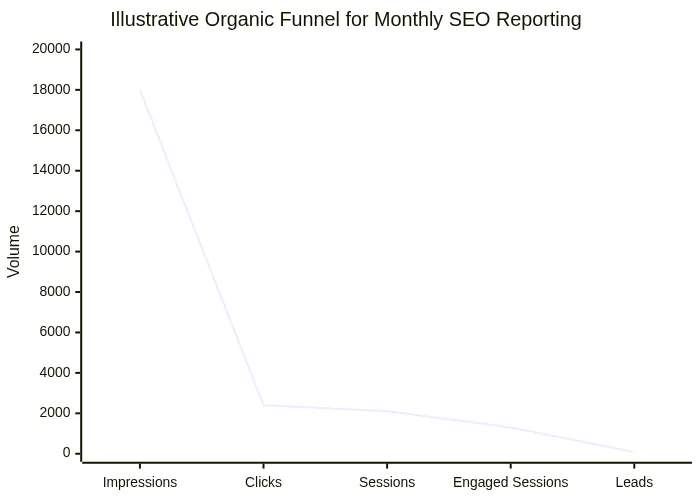
A good monthly report should explain not only what changed, but why. For example:
- Organic leads increased 28 percent after service page internal linking updates
- Non-brand clicks rose, but qualified leads stayed flat because intent was too top-of-funnel
- Core Web Vitals improved on high-conversion pages, followed by stronger engagement and more form completions
That level of reporting builds trust. It addresses the pain point many managers have after paying for SEO work that improves charts but not outcomes.
SeekLab.io supports this with customized content, technical guidance, and monthly data review and performance reports. Some simple technical issues can be fixed for clients at no extra charge, and the team focuses on actions most likely to improve meaningful results rather than producing bloated dashboards.
6. Build a 2026-ready dashboard and monthly report structure
The most effective dashboard is not the one with the most widgets. It is the one that helps each stakeholder make the next right decision.
Recommended dashboard views
| Audience | Best dashboard focus | Key metrics |
|---|---|---|
| Executives | Business outcomes | Organic leads, pipeline, regional growth, non-brand traffic |
| Marketing managers | Content and funnel performance | Landing pages, topic clusters, engagement, conversions |
| Developers | Technical backlog and risk | Core Web Vitals, crawl stats, rendering, schema, errors |
A clean monthly report structure should look like this:
- Executive summary
- KPI overview
- Wins and issues
- Root-cause insights
- Recommended actions
- Next-month priorities

To support that reporting model, teams commonly combine:
For international brands, dashboards should also include country and language splits, hreflang-related monitoring, and market-level conversions. This is especially relevant for companies expanding across APAC, the US, and Europe.
A final best practice: keep the executive layer simple. Three to five core KPIs are often enough. The detailed diagnostics can live in the appendix or the technical dashboard.
Conclusion
SEO reporting in 2026 is about clarity, not volume. The strongest reports do not just list traffic, rankings, and a few charts. They connect search visibility, technical health, content performance, and conversion data into a system that helps teams decide what to do next.
If you want your SEO reporting to be genuinely useful, focus on these priorities:
- Track visibility, but validate relevance
- Report technical health as a growth factor, not a side note
- Measure content quality with engagement, not just traffic
- Tie organic performance to leads, pipeline, and revenue
- Build a dashboard that serves decision-making, not vanity
That is also where SeekLab.io adds value. Beyond diagnostics, it provides actionable solutions, technical guidance, high-quality content with images, and monthly review processes designed to show what is working, what is not, and what should be prioritized next.
If you want a clearer picture of what is helping or hurting your organic growth, get a free audit report, contact us, and leave your website domain.