How to Leverage Commodity-Driven SEO Spikes
Expert reviewed

In March 2026, Alberta Oil Royalties rose sharply as oil prices jumped on Iran conflict fears. That matters because it shows how a geopolitical event can create search demand far beyond the headline itself. This article breaks down how to spot those demand shifts, how to judge whether they matter for your business, and how to turn them into pages that support both rankings and qualified inquiries.
You will see a simple operating framework built around Alberta Oil Royalties, practical examples for exporters and industrial brands, a content-priority table, and a checklist for deciding whether a spike is worth acting on. The main lesson is not to chase the biggest news term. It is to identify the cost, sourcing, contract, and planning questions that buyers start searching once an event changes their economics.
1. Why Alberta Oil Royalties reveal commodity-driven SEO spikes
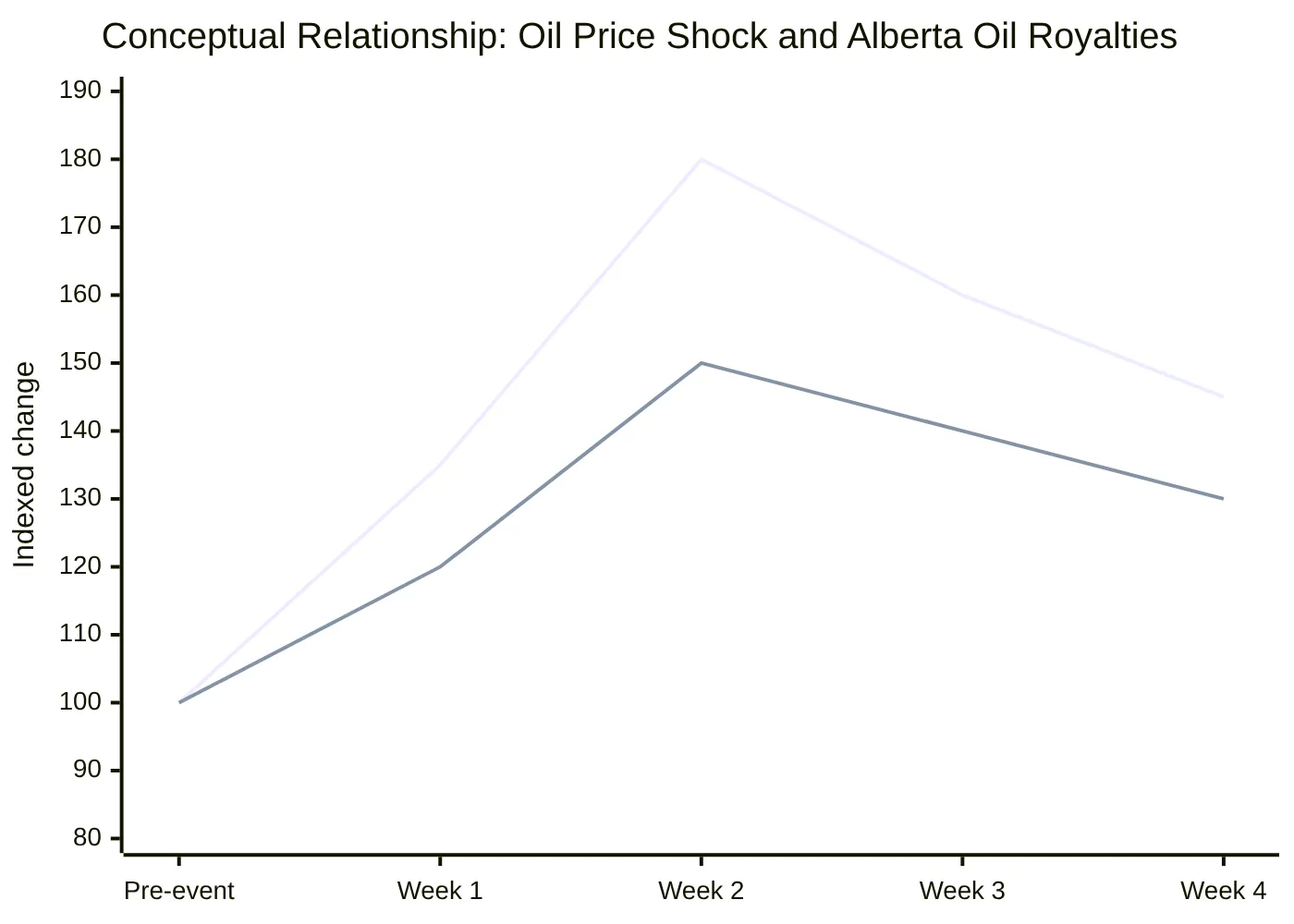
Alberta Oil Royalties increased because the province's royalty system is highly sensitive to oil price movements. As global crude prices climbed during the Iran conflict, Alberta's revenue outlook changed quickly, and that shift produced fresh searches around royalties, budget impacts, energy margins, freight costs, and regional business consequences. According to coverage from Global News on Alberta's oil royalty spike, the royalty jump became a story in its own right, not just a side note to oil prices.
For SEO, that is the important distinction. Most businesses will never rank for broad crisis keywords, and most should not try. But a price shock can still create opportunity through indirect keyword association. Someone starts with the Iran conflict, then searches for "Alberta Oil Royalties", "fuel surcharge formula", "Canadian energy outlook", or "freight cost increase". That second wave is often more commercially useful than the headline term.

This is where event-driven planning becomes practical for exporters, manufacturers, and energy-related businesses. If oil spikes affect shipping costs, resin pricing, plant operating costs, or project timing, your buyers will search for operational answers, not just news updates. A business site that explains those implications early can win visibility before larger competitors publish anything useful.
| Event signal | What users search next | Business value |
|---|---|---|
| Oil price surge | Alberta Oil Royalties, budget impact, energy outlook | Regional demand and investment signals |
| Shipping risk | fuel surcharge, route delays, freight cost update | Mid-funnel operational intent |
| Input cost rise | material cost increase, pricing explanation, alternatives | Buyer education and sales support |
| Policy fallout | tax, subsidy, capex, compliance impact | Strategic planning traffic |
2. How Alberta Oil Royalties connect to economic event SEO for real business websites
The Alberta Oil Royalties example matters because it shows how search behavior moves in layers. First comes the public event. Then comes the business question. The business question is where qualified traffic usually starts.
An exporter may not care about royalty mechanics as a standalone topic. But if Alberta Oil Royalties rise because crude jumps, that may signal stronger regional energy activity, tighter freight pricing, more project work, or renewed procurement in related sectors. For an industrial supplier, that is not trivia. It is a cue to publish pages that answer what buyers will ask next.
A useful way to think about economic event SEO is this:
- A real-world disruption changes costs, supply, or demand.
- Buyers search to understand the effect on their decisions.
- Most websites either stay silent or publish shallow commentary.
- The sites that explain the operational consequence gain visibility and trust.
That same pattern appears outside oil. Lithium price changes can trigger searches around battery sourcing and cost stability. Tariff shifts can create demand around supplier geography and landed cost. Shipping disruptions can drive searches around route planning and lead-time reliability. Alberta Oil Royalties are just one clear case of how a macro event creates a cluster of commercially meaningful searches.
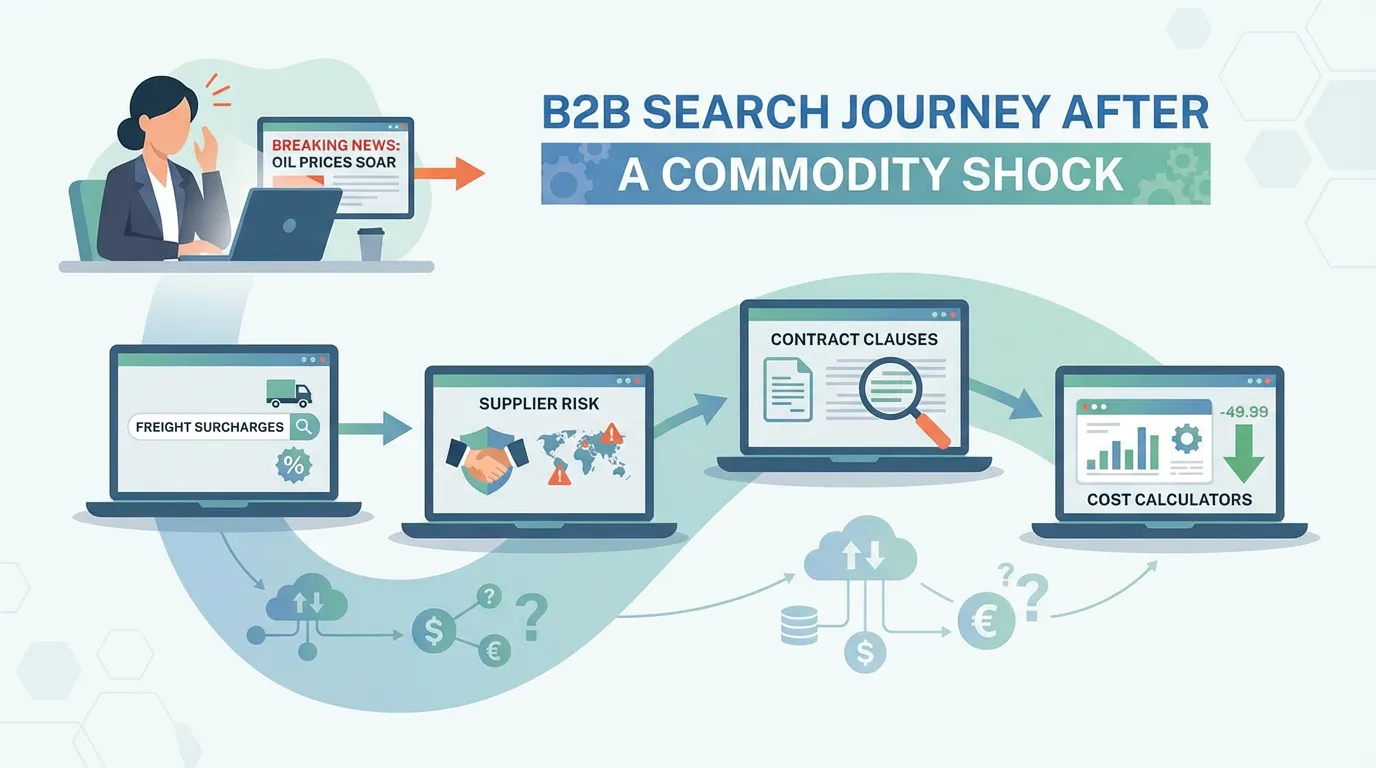
If your site serves independent brands, industrial exporters, logistics providers, or official company websites, the goal is not to become a newsroom. The goal is to become the page that explains what the event means for costs, contracts, sourcing, and buyer decisions.
For teams that need a stronger intent framework, SeekLab.io has already published useful references on high-commercial-value keyword patterns, global search demand by country, and search intent mapping. Those resources are relevant here because event-led content works best when topic, intent, internal links, and conversion path are planned together.
3. How to use Alberta Oil Royalties to prioritize content that can convert
Not every spike deserves a new page. Many teams waste time publishing reactive posts that get a short traffic bump and no inquiries. Alberta Oil Royalties are useful as a filter because they show what a commercially relevant event looks like: real price movement, clear pass-through effects, and direct implications for planning.
Use these five checks before publishing:
| Question | If yes | If no |
|---|---|---|
| Did the event materially move a cost driver? | Build content fast | Monitor only |
| Does it affect buyer decisions? | Prioritize scenario pages | Treat as low priority |
| Can you explain the impact credibly? | Publish detailed guidance | Avoid thin commentary |
| Does the topic link to products or services? | Add internal links and CTA paths | Keep it informational |
| Can the page become evergreen later? | Strong long-term asset | Likely short shelf life |
A good content sequence often looks like this:
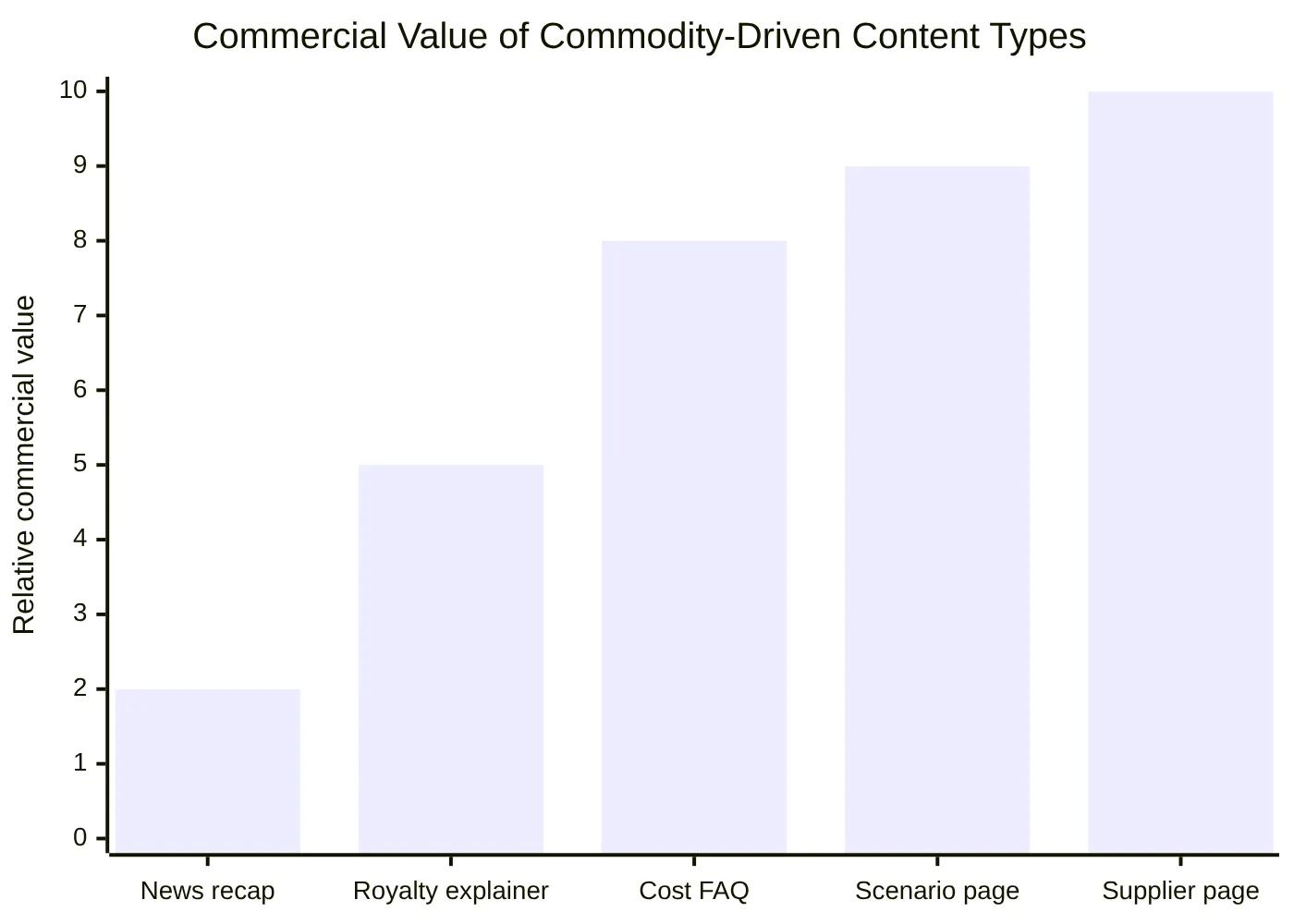
- Start with an explainer page tied to the event.
- Add a FAQ cluster covering contracts, pricing, sourcing, or operations.
- Publish a scenario or cost-comparison page for buyers evaluating options.
- Link into relevant service or product pages.
For example, if your company sells industrial equipment, Alberta Oil Royalties may not be your direct topic. But rising energy prices may justify pages such as:
- "How higher oil prices affect factory operating costs"
- "When energy-efficient equipment upgrades make financial sense"
- "Cost scenarios at oil prices of $60, $90, and $120"
If you are in logistics, the more practical pages might be:
- "How fuel surcharges are calculated during oil price volatility"
- "What Middle East disruption means for Asia-Europe shipping costs"
- "Fixed vs floating freight contracts in volatile fuel markets"

These pages are useful because they answer buyer questions with operational consequences. They also create a cleaner internal journey. An explainer can link to a calculator, a FAQ, a category page, or a contact path. That is far more valuable than a standalone trend post with no next step.
4. How Alberta Oil Royalties should shape your page structure and internal linking
The Alberta Oil Royalties case also shows why content quality alone is not enough. If event-driven pages are buried in a weak blog structure, they may never reach their ranking window. Fast-moving topics need crawl access, clean internal links, and a clear path from information to inquiry.
A practical page structure looks like this:
| Page type | Purpose | Best next link |
|---|---|---|
| Event explainer | Translate the market event | FAQ or scenario page |
| Glossary page | Capture indirect keyword association | Explainer or service page |
| Scenario page | Compare cost outcomes | Product, collection, or quote page |
| FAQ cluster | Address negotiation and operations questions | Contact or audit page |
This is where SeekLab.io is commercially useful. The company helps brands build search visibility and AI-era discoverability through high-quality content production and technical optimization. That includes content structure, internal linking, crawlability, page architecture, and clearer pathways for both search engines and real users. The point is not to fix everything. It is to identify what truly affects growth, what can wait, and what direction is worth committing to before time is wasted.
If your team is already publishing market commentary but not seeing leads, the issue is often structural. The content may rank for curiosity-driven traffic while missing the buyer step that follows. SeekLab.io's work on search intent and lead generation is directly relevant here because event traffic only becomes valuable when the page matches what the user needs next.
5. How Alberta Oil Royalties can guide better strategic decisions
The sharpest lesson from Alberta Oil Royalties is not "write about whatever is trending". It is to watch for events that change economics in a way buyers can feel. That is what creates durable search demand.
A useful operating principle is simple: act on events that change costs, contracts, sourcing, or investment timing. Ignore events that only create passing attention with no business consequence.
For most B2B websites, the best event-driven opportunities have four traits:
- a clear macro trigger,
- a visible downstream cost effect,
- obvious buyer questions,
- and a page path that supports commercial action.
That is why Alberta Oil Royalties matter beyond Alberta. They show how a regional revenue story can point to wider demand around freight, energy risk, supplier decisions, and market planning. If you monitor those signals early, you can publish pages that buyers actually use, rather than pages that simply comment on the news.
If you want to validate whether your current site is structurally ready for this kind of opportunity, or whether your content is attracting the wrong type of traffic, get a free audit report or contact us through SeekLab.io.